Leak Detection & Plumbing Inspections in St. Thomas & Surrounding Areas
How Do Professionals Detect Hidden Plumbing Leaks?
Professional leak detection uses specialized equipment to locate water leaks without tearing into walls, floors, or ceilings. These methods pinpoint problems with precision that visual inspection and guesswork can’t match. Some of these methods include:
Acoustic listening devices detect the sound of water escaping from pressurized pipes. Technicians use sensitive microphones and headphones to hear leaks through walls, floors, and concrete—sounds inaudible to the human ear without amplification. Moving along suspected pipe paths, they pinpoint leak locations within inches.
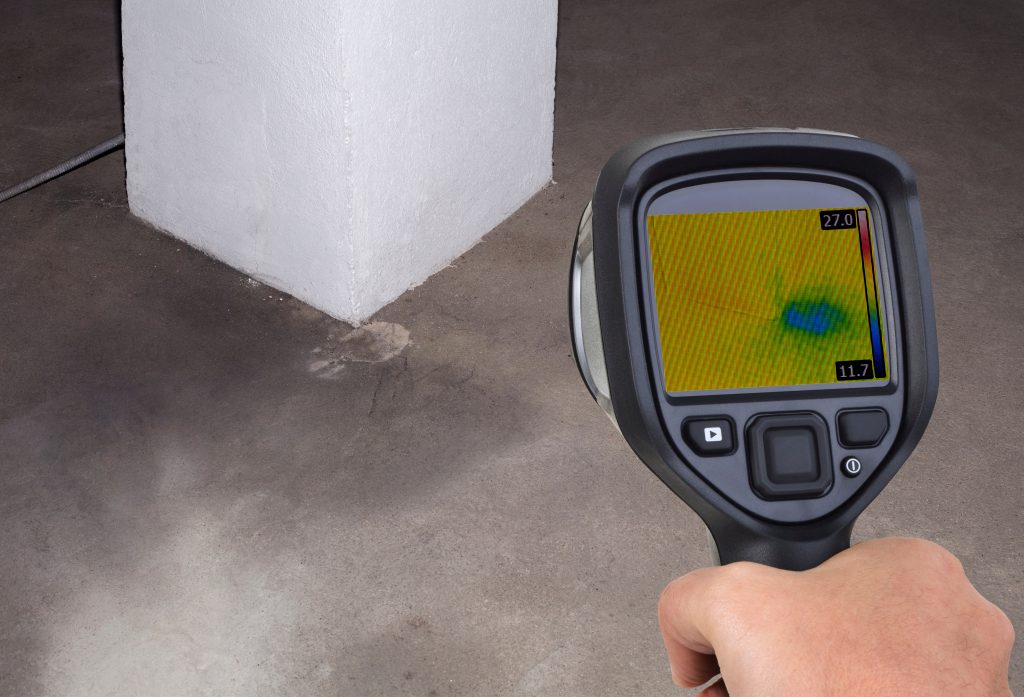
Thermal imaging cameras detect temperature differences that indicate moisture. Water from leaks evaporates, drawing heat from surrounding materials. On thermal cameras, these cooler wet areas appear distinctly different from dry surroundings, revealing leak locations and water migration paths.
Video pipe inspection sends a waterproof camera through drain lines, capturing real-time footage of pipe interiors. This reveals cracks, root intrusion, corrosion, joint failures, and bellied sections where debris collects. The camera’s location transmitter pinpoints problem spots for targeted repair.
Pressure testing confirms system integrity. Technicians close all fixtures, pressurize the water system, and monitor gauges. Pressure drops indicate leaks somewhere in the system. Sequential valve closures isolate specific sections to narrow the search.
Leak Detection Methods
| Detection Method | Best Used For | Invasive? |
| Acoustic sensors | Underground/slab leaks | No |
| Thermal imaging | Behind-wall moisture | No |
| Video inspection | Interior pipe condition | No |
| Pressure testing | System-wide leak confirmation | No |
| Tracer gas | Pinpoint micro-leaks | No |
What Tools Are Used for Plumbing Inspections?
Professional plumbing inspections require equipment beyond what general home inspectors carry. This specialized gear enables thorough assessment without destroying property. Some of this equipment comes in the form of:
Borescope cameras are flexible, lighted scopes that fit through small openings to visually inspect pipe interiors and concealed spaces. Unlike sewer cameras designed for drain lines, borescopes examine supply lines, valve connections, and areas behind walls through inspection holes as small as half an inch.
Electronic leak detectors combine multiple sensing technologies. Some use acoustic amplification to hear water escaping. Others detect the electrical conductivity changes that moisture causes. Advanced units combine both methods for increased accuracy.
Moisture meters measure water content in building materials. Probe-style meters insert pins into drywall, wood, or flooring to measure moisture levels. Non-invasive meters use radio frequency signals to detect moisture without surface damage. Both help map how far water has spread from leak sources.
Hydrostatic testing equipment pressurizes drain lines to check for leaks in below-ground pipes. By isolating sections and monitoring pressure, technicians identify compromised drain lines that would otherwise go undetected until sewage backup occurs.
Jumbo Plumbing’s licensed technicians bring advanced diagnostic equipment to every inspection. View our full list of plumbing services.
What’s Included in a Full Plumbing Inspection?
A comprehensive plumbing inspection systematically evaluates every accessible component of your home’s water supply and drainage systems.
Water heater assessment covers the tank or unit’s age, condition, and safety components. Inspectors check temperature and pressure relief valves, examine venting systems for proper draft, look for rust, corrosion, or leak evidence, and verify installation meets current codes.
Supply line evaluation traces water pipes from the main shut-off through the house. Inspectors identify pipe materials (copper, PEX, galvanized, polybutylene), check for corrosion or visible damage, test shut-off valves for proper operation, and note any undersized or improperly supported sections.
Drain and sewer inspection examines waste removal systems. Camera inspection of main sewer lines reveals root intrusion, cracks, or bellied sections. Interior drains are checked for flow rate and proper venting. P-traps and clean-outs are verified present and accessible.
Fixture testing covers every toilet, sink, tub, and shower. Inspectors check for leaks at connections, verify proper drainage, test shut-off valves, and examine caulking and seals for deterioration.
Water pressure measurement uses calibrated gauges at multiple locations. Ideal residential pressure falls between 40-60 PSI. Low pressure may indicate pipe restrictions or supply problems. High pressure (above 80 PSI) stresses pipes and fixtures, often requiring pressure regulator adjustment or installation.
A thorough plumbing system inspection covers:
- Water heater age, condition, and safety components
- Supply line integrity (copper, PEX, galvanized steel assessment)
- Drain flow rates and interior pipe camera analysis
- All fixture connections and shut-off valves
- Water pressure levels and pressure regulator function
- Visible signs of past or active leaks
- Sump pump and backflow preventer operation (where applicable)
Do I Need an Inspection Before Buying a House?
A dedicated plumbing inspection before purchasing a home can save you from inheriting expensive problems that general home inspections miss.
General home inspectors examine many systems in a limited time. They may flush toilets, run faucets, and note visible issues, but they typically don’t camera sewer lines, pressure test systems, or use specialized leak detection equipment.
The International Association of Certified Home Inspectors recognizes that plumbing systems require specialized evaluation. Hidden problems—root-infiltrated sewer lines, corroded supply pipes, failing water heaters—often don’t reveal themselves during brief visual inspections.
Pre-purchase plumbing inspections give you:
- Accurate understanding of plumbing system condition
- Negotiating leverage for price reductions or repair credits
- Documentation for informed purchase decisions
- Baseline for future maintenance planning
Planning a home purchase in St. Thomas, Aylmer, or the surrounding Elgin County? Contact our team for a pre-purchase plumbing assessment.
Can Inspections Prevent Major Water Damage?
Plumbing inspections reduce risk by shifting problems from emergency repairs to planned maintenance. An annual inspection that costs a few hundred dollars allows plumbers to find leaks early, confirm system condition, and address failures before water spreads into walls, flooring, or structural components.
When homeowners catch issues at this stage, repairs usually involve a single pipe or fitting instead of extensive restoration work. In practical terms, regular inspections protect both the home and the homeowner’s budget by preventing the chain reaction that turns minor leaks into major water damage.
Cost Comparison: Prevention vs. Remediation
| Scenario | Typical Cost |
| Annual plumbing inspection | $150–$300 |
| Leak detection service | $200–$500 |
| Minor leak repair (caught early) | $150–$400 |
| Water damage restoration | $3,000–$12,000 |
| Mould remediation | $1,500–$9,000 |
| Foundation repair (water damage) | $5,000–$25,000+ |
The math is straightforward. Annual plumbing inspections costing $150-$300 prevent repairs costing thousands—or tens of thousands when water damage goes undetected.
Which Experts Can Detect Low-Level Water Leaks Causing High Bills and Mould?
Licensed plumbers with leak detection specialization have training and equipment that general contractors and handymen lack.
Credentials to look for:
- Ontario journeyperson plumbing certification
- Training in thermal imaging interpretation
- Experience with acoustic and electronic leak detection equipment
- Insurance coverage protecting your property
Not every plumber offers leak detection services. The equipment investment is significant, and proper interpretation requires specific training. Ask whether the plumber has dedicated detection equipment or relies on visual inspection alone.
Meet our licensed team and our approach to accurate leak diagnosis.
How Much Does a Leak Detection Service Cost?
Leak detection costs depend on property size, suspected leak location, and equipment required. Understanding typical pricing helps you budget appropriately. The table below provides a quick summary of p[rices for different inspections.
Inspection and Detection Pricing
| Service Type | Price Range (CAD) | Typical Duration |
| Basic leak inspection | $150–$250 | 1–2 hours |
| Video camera sewer inspection | $200–$400 | 1–2 hours |
| Full thermal imaging scan | $300–$500 | 2–3 hours |
| Comprehensive plumbing inspection | $250–$450 | 2–4 hours |
| Slab leak detection | $350–$600 | 2–4 hours |
Actual pricing varies based on property specifics and scope.
Basic inspections suit routine annual checkups or investigating a single suspected leak. Comprehensive inspections are recommended before home purchases or when multiple issues are suspected, and justify their higher cost through thoroughness.
Is Leak Detection Non-Invasive?
Yes. Modern leak detection methods locate problems without damaging your home.
Acoustic listening, thermal imaging, and pressure testing require no demolition. Video inspection sends cameras through existing drain openings. Moisture meters either use non-contact scanning or leave only tiny pin holes that disappear when materials dry.
Repair work may require opening walls or floors to access damaged pipes, but finding the leak causes no damage. This distinction matters because you’re not paying for exploratory demolition that may or may not find the problem.
How Often Should I Get My Plumbing Inspected?
Plumbing inspection frequency is not one size fits all because different homes place different demands on their plumbing systems. The age of the home, the type of piping materials, past repair history, and local water conditions all affect how quickly components wear and how likely hidden problems are to develop. Regular inspections help homeowners catch deterioration early, plan repairs proactively, and avoid emergency situations caused by leaks, pipe failures, or undetected water damage.
Recommended inspection schedule:
- New homes (0-10 years): Every 2-3 years to verify proper installation
- Established homes (10-25 years): Annual inspections as components approach replacement timeframes
- Older homes (25+ years): Every 6-12 months as aging pipes and fixtures face increased failure risk
- Historic homes (40-50+ years): Biannual inspections for properties with original plumbing
Schedule an inspection if you notice:
- Unexplained water bill increases (20%+ above normal)
- Sound of running water when fixtures are off
- Musty or mouldy odours near walls or floors
- Visible water stains on ceilings, walls, or foundations
- Reduced water pressure throughout the home
- Warm spots on floors (potential hot water line leak)
Where Can I Book an Annual Plumbing Inspection to Catch Small Leaks Early?
Annual plumbing inspections provide peace of mind and catch problems before they cause significant damage and lead to a substantial repair bill.
Jumbo Plumbing serves St. Thomas, Aylmer, Port Stanley, and surrounding Elgin County communities with scheduled inspection services. We recommend booking fall inspections before winter stresses pipes, or spring inspections after freeze-thaw cycles that may have caused damage.
Ready to schedule your annual plumbing checkup? Request an appointment.
Who Can Check My Home for Slab Leaks and Perform a Detailed Assessment?
Slab leaks require plumbers with specialized leak detection skills and equipment because the water lines sit beneath the concrete foundation and remain hidden from view. When a pipe fails under a slab, water escapes into the surrounding soil and may only show subtle signs such as damp flooring, warm spots, or moisture near foundation edges. By the time these symptoms appear, the leak has often been active for some time, which makes accurate detection and careful assessment critical before any concrete is removed.
Slab leak detection methods:
- Electronic amplification detects the sound of water escaping beneath concrete
- Helium detection uses a tracer gas to find leak points with precision
- Thermal imaging identifies temperature anomalies on floor surfaces
- Pressure isolation confirms which line is leaking (hot or cold supply, or drain)
Slab leak detection requires patience and expertise. Plumbers systematically test each possible source, ruling out alternatives until the leak location is confirmed. Rushing this process leads to unnecessary concrete removal—a costly mistake.
See examples of our work on residential plumbing systems.
Are Plumbing Inspections Covered by Insurance?
Most homeowner insurance policies do not cover plumbing inspection costs. Inspections are considered preventive maintenance, which is the homeowner’s responsibility.
However, some insurers offer benefits related to plumbing maintenance:
- Premium discounts for documented annual inspections
- Reduced deductibles for claims on well-maintained systems
- Coverage for sudden damage (not gradual deterioration)
Your policy likely covers damage from sudden pipe failures but excludes the inspection and repair costs. Contact your insurer directly to understand your specific coverage.
How Do I Find a Certified Plumber to Inspect My Plumbing Before a Major Renovation?
Before starting a major renovation, homeowners need a certified plumber to inspect the existing plumbing system and identify issues that could affect the project. Pre-renovation plumbing inspections uncover problems that are easiest and most cost-effective to fix while walls and floors are already open, and help prevent surprises that can delay construction, inflate budgets, or force rework after finishes are installed.
Why pre-renovation inspection matters:
- Discovers outdated galvanized pipes that should be replaced
- Identifies undersized supply lines inadequate for planned fixtures
- Reveals drain line problems before new flooring goes down
- Prevents expensive rework after finishes are complete
A bathroom renovation that opens walls is the ideal time to replace corroded pipes. Discovering those pipes need replacement after tile installation costs far more—both in money and frustration.
What to look for in a renovation plumber:
- Experience with both inspection and renovation work
- Willingness to coordinate with your general contractor
- Understanding of current code requirements
- Clear communication about what they find and what it means
Where Can I Get a Full Home Plumbing Inspection Report with Repair Recommendations?
A full home plumbing inspection should deliver more than verbal feedback at the end of a visit. Homeowners need a clear, written inspection report that documents the condition of the plumbing system and explains what needs attention now versus later. A professional plumbing inspection includes formal documentation that outlines findings, supports repair decisions, and provides a reliable reference for homeowners, buyers, insurers, and real estate negotiations.
What your inspection report should include:
- Date and inspector credentials
- Complete system assessment summary
- Photo/video documentation of concerns
- Prioritized repair recommendations
- Estimated costs for necessary repairs
- Code compliance status
Written reports serve multiple purposes beyond immediate repair planning. They document system condition for insurance purposes, provide evidence for real estate negotiations, and create baseline records for tracking changes over time.
A thorough report categorizes findings by urgency:
- Immediate repairs: Safety hazards or imminent failures
- Near-term repairs: Problems likely to worsen within 1-2 years
- Long-term maintenance: Components approaching end-of-life but currently functional
Request a detailed inspection report from our team of certified plumbers.
What Are the Four Biggest Plumbing Code Violations?
Plumbing inspections frequently uncover code violations that affect safety, insurance coverage, and property value.
Improper venting causes sewer gas backup and drainage problems. Every plumbing fixture requires proper venting to allow air entry as water drains. Missing vents, undersized vent pipes, or vents terminating improperly create health hazards and functionality problems. Correcting vent violations typically costs $500–$2,000.
Incorrect pipe materials or connections create failure risks. Using non-approved materials, mixing incompatible pipe types without proper transitions, or using incorrect fittings all constitute violations. Some older materials (like polybutylene) are now known failure risks even though they were code-compliant when installed.
Unpermitted work or modifications represent serious violations affecting property value and insurance coverage. Previous owners or unlicensed contractors sometimes complete plumbing work without required permits. This unpermitted work must be brought to code before selling, often requiring corrections beyond the original work scope.
Inadequate water heater installation encompasses multiple potential violations. Improper venting allowing combustion gases to enter living spaces, missing temperature-pressure relief valves, inadequate clearances to combustible materials, and missing drain pans all represent common violations. Water heater corrections cost $200–$800.
Why Do Plumbers Say Not to Use Drain Cleaner?
Licensed plumbers consistently advise against chemical drain cleaners for many reasons. Their low price make them seem a great alternative to professional cleaning, but these tradeoffs may not be worth the cost savings you gain. Here are the most pressing concerns around using chemical drain cleaners.
Chemical drain cleaners damage pipes. These products generate heat through caustic reactions, attempting to dissolve blockages. That heat can soften PVC pipes, corrode metal pipes, and damage rubber seals. Repeated use accelerates pipe deterioration.
They often fail to clear blockages completely. Drain cleaners work best on hair and soap clogs near drain openings, but prove ineffective against root intrusion, solid objects, or grease buildups farther down lines. Partial clearing provides temporary relief while the underlying blockage remains.
Environmental concerns are significant. The EPA classifies most chemical drain cleaners as corrosive hazardous materials. These products damage septic systems and harm aquatic life when entering waterways.
Professional alternatives solve drainage problems effectively:
- Mechanical snaking: $250–$700
- Hydro-jetting: $1,300–$2,300
- Camera inspection: $100–$300
Professional drain cleaning costs more per instance than a $10 bottle of chemicals, but it actually clears the blockage, doesn’t damage pipes, and often comes with a guarantee.
Service Areas for Leak Detection and Plumbing Inspections
Jumbo Plumbing provides leak detection and plumbing inspection services throughout St. Thomas, Elgin County and other areas.
We offer professional leak detection for the following areas:
- St. Thomas (all neighbourhoods)
- Aylmer
- Port Stanley
- Central Elgin
- Southwold
- Malahide
- Bayham
- Tillsonburg
- Port Burwell
- Vienna
Protect your St. Thomas home with professional leak detection and plumbing inspection services. Contact Jumbo Plumbing to schedule your assessment.
Protecting Your Home with Professional Leak Detection from Jumbo Plumbing
Leak detection and plumbing inspections protect homes by identifying hidden leaks, code violations, and aging plumbing before they cause expensive damage. A professional inspection, often costing between $150 and $500, gives homeowners clear insight into issues that would otherwise remain hidden behind walls, floors, or fixtures.
Pre-purchase inspections help buyers avoid inheriting costly plumbing problems, while annual maintenance inspections allow homeowners to address small issues before they escalate into emergencies. Licensed plumbers use specialized diagnostic equipment to deliver more thorough and accurate evaluations than general home inspections can provide.
Jumbo Plumbing delivers professional leak detection and plumbing inspections for homeowners in St. Thomas and surrounding Elgin County communities. Our team provides detailed findings along with clear repair recommendations, so homeowners can make informed decisions about protecting their property.
Contact Jumbo Plumbing to schedule your leak detection or plumbing inspection today.
Frequently Asked Questions
How do professionals detect hidden plumbing leaks?
Licensed plumbers use acoustic sensors, thermal imaging cameras, and video pipe inspection equipment to locate leaks without damaging walls or floors.
How much does a leak detection service cost?
Professional leak detection in Ontario typically costs $200–$500, depending on property size and suspected leak location.
Is leak detection non-invasive?
Yes, modern leak detection methods like thermal imaging and acoustic listening locate leaks without any demolition or drilling.
Do I need a plumbing inspection before buying a house?
A dedicated plumbing inspection is strongly recommended before any home purchase, as general home inspections often miss hidden pipe and drain issues.
How often should I get my plumbing inspected?
Annual inspections are recommended for homes over 25 years old, and bi-annual checkups for newer construction.
Can plumbing inspections prevent water damage?
Yes. Routine plumbing inspections catch minor leaks and pipe deterioration before they cause expensive structural damage or mould growth.
What’s included in a full plumbing inspection?
A comprehensive plumbing inspection covers water heater condition, supply lines, drain systems, fixture connections, water pressure, and shut-off valve function.
Are plumbing inspections covered by insurance?
Most homeowner insurance policies do not cover inspection costs, though some insurers offer premium discounts for documented plumbing maintenance.
What tools are used for plumbing inspections?
Professional inspectors use borescope cameras, electronic leak detectors, moisture meters, thermal imagers, and hydrostatic testing equipment.