
Winterizing & Frozen Pipe Repair in St. Thomas & Surrounding Areas
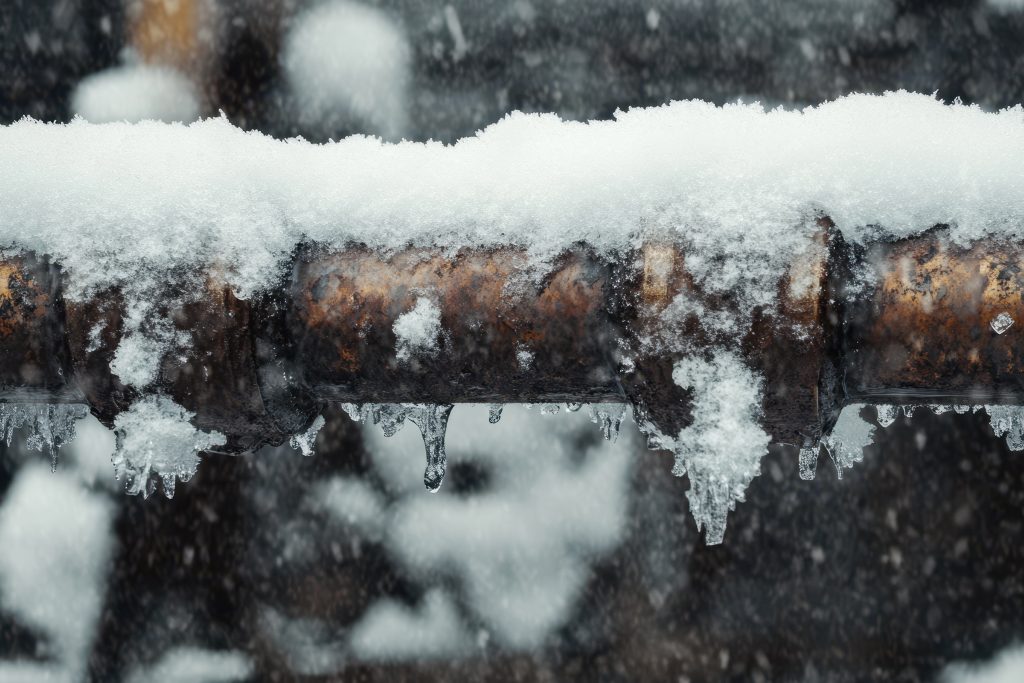
Winterizing plumbing before sustained cold sets in helps homeowners avoid these risks and reduces the likelihood of major water damage during Southwestern Ontario winters.
Why Do Pipes Freeze and Burst in Canadian Winters?
According to FEMA, burst pipes are among the most common and costly insurance claims in cold climates. A single rupture can release several gallons of water per minute, and significant damage often occurs before the leak is discovered.
Pipes freeze and burst because water expands as it turns to ice, and plumbing systems are not built to handle that pressure. When water inside a pipe freezes, it expands by roughly nine percent, and in a confined space, this expansion creates pressure that can exceed two thousand PSI. Pipes usually rupture downstream from the ice blockage, where pressure builds between the frozen section and a closed valve or faucet.
Cold winter conditions make this risk unavoidable in Southwestern Ontario. St. Thomas and Elgin County regularly experience January lows around minus ten degrees Celsius, and extended cold snaps can push temperatures well below minus twenty. Pipes located in exterior walls, unheated garages, crawl spaces, or outdoor connections face the highest freeze risk during these periods.
Pipe winterization addresses these risks by removing water from exposed lines and insulating pipes in unheated areas, which prevents ice formation and the pressure buildup that causes pipes to burst.
How Do I Winterize My Home Plumbing System?
Our winterizing plumbing services protect your home by preparing pipes, fixtures, and shut-off points before freezing temperatures arrive. The process focuses on identifying vulnerable plumbing locations, removing water from areas that can freeze, and protecting pipes that must remain in service during winter.
For occupied homes, winterizing plumbing services focus on reducing freeze risk while the plumbing system remains in use. This usually involves insulating exposed pipes, draining outdoor faucets, and checking shut-off valves in unheated areas so pipes can handle short cold snaps without interrupting water service.
For vacant properties such as cottages or seasonal homes, winterizing plumbing services take a shutdown approach. The system is drained and the water supply is turned off so no water remains in pipes that could freeze during long periods without heat or monitoring.
Shutting Off and Draining Outdoor Faucets
Outdoor faucets (hose bibs) are the most common freeze failure point. Water remaining in these fixtures and the supply lines feeding them freezes first because they’re closest to the exterior cold.
When to shut off outdoor faucets: Before nighttime temperatures consistently drop below 0°C—typically mid-October in St. Thomas and Elgin County. Don’t wait for the first hard freeze; by then, damage may already be occurring.
How to properly winterize outdoor faucets:
- Locate the interior shut-off valve for each outdoor faucet (usually in the basement near where the pipe exits the wall)
- Close the interior shut-off valve completely
- Open the outdoor faucet to drain the remaining water
- Leave the outdoor faucet slightly open to allow any residual water to escape as it expands
- Disconnect and drain garden hoses—water trapped in connected hoses can freeze back into the faucet
Frost-free hose bibs (with long stems that keep the valve inside the heated space) still require hose disconnection. Water trapped by a connected hose defeats the frost-free design.
What Kind of Insulation Protects Pipes in Winter?
Pipe insulation protects plumbing by slowing heat loss and giving pipes more time before they reach freezing temperatures during cold snaps. Common options include foam pipe sleeves, fibreglass wrap, and heat tape, and each provides a different level of protection depending on exposure and climate. Choosing the right insulation depends on pipe location, surrounding temperature, and whether the area is heated.
Insulation options:
- Foam pipe sleeves: Inexpensive, easy to install, effective for moderate protection. Available in various diameters at hardware stores.
- Fibreglass wrap: Higher R-value than foam, better for extreme cold areas. Requires more careful installation.
- Heat tape/cable: Electric heating elements that wrap around pipes and maintain above-freezing temperatures. Essential for high-risk areas where insulation alone isn’t sufficient.
High-Risk Pipe Locations in St. Thomas Homes
- Exterior walls facing north or west
- Unheated garages and crawl spaces
- Basement rim joists (where floor framing meets foundation)
- Outdoor hose bibs and sprinkler systems
- Vacation properties and cottages left unoccupied
Heat tape requires an electrical connection and should be installed by qualified professionals. Improperly installed heat tape creates fire hazards. The investment is worthwhile for pipes that freeze repeatedly despite other measures.
Who Can Winterize My Home Plumbing to Prevent Frozen and Burst Pipes?
Licensed plumbers with experience handling winterizing plumbing services can identify freeze risks that are easy to overlook during a basic walkthrough. They assess pipe locations, shut-off points, and exposure to cold, and then apply protective measures based on how the home is used. This approach helps reduce the likelihood of frozen or burst pipes during prolonged cold weather.
Professional winterization includes:
- Inspection of all exterior wall plumbing and vulnerable locations
- Shut-off valve testing and repair if needed
- Outdoor faucet drainage and verification
- Insulation assessment and installation recommendations
- Heat tape installation for high-risk areas
- Documentation of shut-off valve locations for emergency reference
For cottage and vacation homeowners, professional winterization reduces risk during long periods of absence. A properly winterized system helps prevent burst pipes and eliminates the need to worry about freeze damage when temperatures drop.
Jumbo Plumbing serves St. Thomas, Aylmer, Port Stanley, Central Elgin, and surrounding communities. Contact our team to schedule your pre-winter inspection.
How Can I Prevent My Pipes from Freezing During Extreme Cold?
Even homes that are properly winterized can face freeze risk during prolonged or extreme cold snaps. Short-term prevention measures help protect pipes when temperatures drop well below normal ranges. These steps work alongside permanent winterizing work to reduce the chance of frozen or burst pipes during severe weather.
Freeze Prevention Methods
| Prevention Method | Effectiveness | Cost | DIY or Professional |
| Keep cabinet doors open | Moderate | Free | DIY |
| Maintain thermostat at 13°C+ | High | Utility cost | DIY |
| Pipe insulation sleeves | High | $50–$200 | DIY or Pro |
| Heat cable installation | Very High | $200–$800 | Professional |
| Full system winterization | Maximum | $150–$400 | Professional |
During extreme cold:
- Open cabinet doors under sinks on exterior walls to allow warm air circulation
- Keep thermostat at 13°C (55°F) minimum, even when away
- Allow a slow, steady drip from faucets during extreme cold to keep water moving through the pipe and reduce freeze risk in vulnerable lines.
- Keep garage doors closed if water lines run through the garage
- Know your main shut-off valve location in case of emergency
If you’ll be away during cold weather, don’t set the thermostat below 13°C. The energy savings aren’t worth the freeze risk. Better yet, have someone check the house periodically or install a temperature monitoring system that alerts you if the heat fails.
What to Do If My Pipes Freeze
Finding frozen pipes before they burst gives you a chance to prevent serious water damage, but only if you act quickly and correctly. Frozen pipes block water flow and create pressure that can crack the pipe as the ice thaws. Knowing the warning signs and the right immediate steps helps reduce the risk of a sudden rupture.
Signs of frozen pipes:
- No water or reduced flow from faucets
- Frost visible on exposed pipes
- Unusual sounds when opening faucets
- Bulging or distorted pipe sections
Immediate steps:
- Keep the affected faucet open—as ice melts, water needs somewhere to go
- Apply gentle heat to the frozen section using a hair dryer, heat lamp, or portable heater
- Work from the faucet toward the frozen area so melting water can escape
- Never use open flames, propane torches, or high-heat devices—they can crack pipes or start fires
- Check for leaks as the pipe thaws—freezing may have already caused cracks that only leak once water flows
Can a Plumber Thaw Frozen Pipes Safely?
Yes, licensed plumbers can thaw frozen pipes safely and reduce the risk of damage. They use controlled, even heat to thaw pipes gradually, which prevents the pressure and thermal stress that often cause cracks during DIY attempts. This approach helps restore water flow without triggering a burst as the ice melts.
Professional thawing equipment includes:
- Electric pipe thawing machines that apply controlled current
- Infrared heaters for even warming
- Hot water circulation systems for severe cases
The American Red Cross recommends against using blowtorches, kerosene heaters, or other open flame devices for pipe thawing. These methods cause fires and often damage the pipes they’re meant to save.
Who Offers Same-Day Emergency Service for Burst Pipes Caused by Freezing?
When prevention fails and pipes burst, response time determines damage extent.
A burst pipe releasing 4-8 gallons per minute causes catastrophic damage within hours. Flooring, drywall, insulation, furniture, electronics—everything in the water’s path suffers. Secondary damage from mould begins within 24-48 hours if materials aren’t dried properly.
Emergency Response Checklist
Immediate actions:
- Shut off main water supply immediately
- Open faucets to relieve remaining pressure
- Turn off electricity to affected areas if water contacts outlets or panels
- Document damage with photos and video for insurance
- Call a licensed plumber for emergency frozen pipe repair
- Contact your insurance provider
Jumbo Plumbing offers emergency frozen pipe repair throughout Elgin County. When you call with an active emergency, we dispatch immediately—not the next business day.
View our full set of plumbing services or call now for to secure a schedule.
How Much Does Frozen Pipe Repair Cost?
Frozen pipe repair costs vary widely based on whether the pipe simply froze or actually burst and caused water damage. Minor thawing is relatively inexpensive, while burst pipes and resulting damage increase costs quickly. Understanding the difference between prevention and repair helps homeowners evaluate risk before winter conditions worsen.
Frozen Pipe Service Costs
| Service Type | Typical Cost Range (CAD) | Timeline |
| Pipe thawing (no damage) | $150–$400 | 1–3 hours |
| Single pipe repair | $200–$600 | Same day |
| Multiple pipe replacement | $800–$2,500 | 1–2 days |
| Water damage restoration | $5,000–$70,000+ | Weeks |
| Full winterization (prevention) | $150–$400 | 2–4 hours |
The contrast between prevention and remediation costs is stark. Professional winterizing services costing $150-$400 prevent repairs costing thousands, or tens of thousand,s when water damage restoration enters the picture.
According to the Insurance Bureau of Canada, water damage claims have increased dramatically over the past decade, with frozen pipe failures representing a significant portion of winter claims.
How Do I Hire a Professional to Drain and Winterize My Cottage or Vacation Home?
Seasonal properties face a higher risk of burst pipes because they often sit unoccupied and unheated for long periods. Professional cottage winterization focuses on fully draining plumbing systems and protecting fixtures so water cannot freeze inside pipes. This level of preparation goes beyond basic DIY steps and helps prevent damage during extended winter absences.
Complete cottage winterization includes:
- Main water shut-off and supply line drainage
- Water heater drainage and shut-down
- Compressed air blow-out of all supply lines
- Toilet tank and bowl drainage
- P-trap protection with antifreeze (RV antifreeze, not automotive)
- Appliance disconnection (dishwasher, washing machine, ice maker)
- Outdoor system drainage (irrigation, exterior showers)
- Documentation of all shut-offs for spring reopening
The compressed air blow-out is critical. Simply opening faucets doesn’t remove all water from supply lines. Low spots, horizontal runs, and fixture connections retain water that can freeze and cause damage. Compressed air forces remaining water out of the system.
How Can I Find a Plumber to Blow Out Sprinkler and Exterior Lines?
Sprinkler systems and exterior plumbing require a different winterizing approach than interior pipes. Proper blow-outs depend on matching air volume to the system’s size and clearing each zone methodically to remove trapped water. A plumber experienced with irrigation winterization uses calibrated equipment to protect lines without damaging sprinkler heads or fittings.
Exterior plumbing requiring winterization:
- In-ground irrigation systems
- Outdoor showers and kitchens
- Pool plumbing and equipment
- Detached garage or workshop plumbing
- Exterior hot/cold faucets beyond standard hose bibs
See examples of our winterization work on residential and cottage properties in our project gallery.
Are Frozen Pipes Covered by Homeowners Insurance?
Homeowners’ insurance may cover frozen pipe damage, but coverage depends on whether reasonable precautions were taken. Insurers often look at whether the home was adequately heated and whether steps were taken to prevent freezing. Here are a few insurance coverage factors to guide you.
Insurance Coverage Factors
| Scenario | Typically Covered? | Notes |
| Sudden burst pipe damage when the heat is maintained | Yes | Standard coverage applies |
| Damage in a vacant home without winterization | Often Denied | Negligence exclusion |
| Gradual leaks from slow freezing | Grey Area | Depends on policy language |
| Properties without documented maintenance | Varies | May require proof of precautions |
Key policy requirements:
Most Canadian homeowner policies include clauses requiring you to maintain adequate heat (often 13°C minimum) or properly winterize before extended absences. Failing to meet these requirements gives insurers grounds to deny claims.
Documentation that supports claims:
- Thermostat settings and utility bills showing heat was maintained
- Professional winterization receipts for vacant properties
- Evidence of precautions taken (insulation, heat tape installation)
- Prompt reporting of damage once discovered
The Insurance Bureau of Canada notes that water damage claims represent a growing concern for insurers. Demonstrating responsible maintenance strengthens your position if you need to file a claim.
Do I Need Professional Help to Winterize My Home?
Whether you need professional help to winterize your home depends on how complex your plumbing system is and how comfortable you are performing the work correctly. Simple tasks like shutting off outdoor faucets or adding basic insulation are manageable for many homeowners. More complex systems, older homes, and properties with past freeze issues often benefit from professional assessment and service.
DIY-appropriate tasks:
- Disconnecting garden hoses
- Shutting off interior valves for outdoor faucets
- Opening cabinet doors during cold snaps
- Basic foam pipe insulation on accessible pipes
- Maintaining adequate thermostat settings
Professional service recommended for:
- Comprehensive vulnerability assessment
- Heat tape installation (electrical work)
- Cottage/vacation home complete drainage
- Irrigation system blow-outs
- Older homes with complex or hidden plumbing
- Properties with a history of freeze problems
Basic outdoor faucet shutdown is straightforward for most homeowners. Comprehensive protection for older homes, vacation properties, or situations with previous freeze damage benefits from a professional assessment.
When Should I Schedule Annual Winterization Services?
Ideal timing is late September through early November in Southwestern Ontario.
Waiting until the first freeze means competing for emergency appointments with everyone else who waited. Temperatures can drop rapidly in October, and the first hard freeze sometimes arrives without warning.
Scheduling considerations:
- September: Ideal for cottage closings and comprehensive winterization
- October: Good availability, before peak demand
- November: Possible but risky—cold snaps may arrive first
- December+: Emergency response only—prevention window has closed
Which Plumbing Companies Specialize in Cold-Weather Pipe Damage Prevention and Repair?
Cold-weather plumbing requires experience with local conditions and housing characteristics. Plumbers who work regularly in St. Thomas understand regional freeze patterns, common pipe layouts, and where homes are most vulnerable to winter damage. This local familiarity leads to better prevention planning and faster, more accurate repairs when problems occur.
What to look for:
- Experience with winterizing and frozen pipe repair, specifically
- Understanding of local building practices and common pipe routing
- Emergency availability during winter months
- Familiarity with cottage and seasonal property needs
Jumbo Plumbing has served St. Thomas and the surrounding areas for years, handling everything from routine winterization to emergency frozen pipe repair during the coldest nights of the year.
Learn more about our team and our commitment to Elgin County homeowners.
Service Areas for Winterizing and Frozen Pipe Repair
Jumbo Plumbing provides winterizing plumbing services and emergency frozen pipe repair throughout St. Thomas and Elgin County.
Service areas include:
- St. Thomas (all neighbourhoods)
- Aylmer
- Port Stanley
- Central Elgin
- Southwold
- Malahide
- Bayham
- Tillsonburg
- Port Burwell
- Vienna
Rural properties and cottages throughout Elgin County are included in our service area. We understand the specific winterization needs of seasonal properties and vacation homes.
Prevent Costly Plumbing Emergencies With Winter Protection From Jumbo Plumbing
Frozen pipes are one of the most preventable causes of winter water damage, yet they remain a common and expensive problem for homeowners in St. Thomas. Scheduling professional winterization before November helps protect plumbing systems from freeze damage and reduces the risk of burst pipes during the coldest months of the year.
For homes, cottages, and seasonal properties across Elgin County, proactive winterizing services eliminate the stress of emergency repairs and the financial impact of major water damage. Preparing your plumbing system before the first hard freeze provides reliable protection throughout winter and helps avoid the disruptions that catch unprepared homeowners off guard.
Schedule your winterization service before the first hard freeze. Contact Jumbo Plumbing today.
Frequently Asked Questions
How do I winterize my plumbing system?
Shut off outdoor water supplies, drain all exterior lines, insulate exposed pipes, and have a licensed plumber inspect shut-off valves and vulnerable areas.
What to do if my pipes freeze?
Turn off the main water supply immediately, open faucets to relieve pressure, and call a plumber for professional thawing before the pipe bursts.
Can a plumber thaw frozen pipes safely?
Yes, professional plumbers use controlled heat application methods that prevent the cracking caused by DIY thawing attempts.
How much does frozen pipe repair cost?
Thawing without damage runs $150–$400; burst pipe repairs range from $200 for minor fixes to $70,000+ when water damage restoration is required.
When should I shut off outdoor faucets?
Before nighttime temperatures consistently drop below 0°C, typically mid-October in St. Thomas and Elgin County.
What kind of insulation protects pipes in winter?
Foam pipe sleeves, fibreglass wrap, and electric heat cables all provide freeze protection, with heat cables offering the highest protection for extreme-risk areas.
Are frozen pipes covered by homeowners’ insurance?
Usually yes, if you maintained adequate heat or properly winterized the property; claims are often denied when negligence contributed to the freeze.
Do I need professional help to winterize my home?
Basic outdoor shut-offs are DIY-friendly, but comprehensive winterization, especially for cottages, older homes, or complex systems, requires professional inspection.
How can I prevent my pipes from freezing?
Keep the thermostat at 13°C minimum, open cabinet doors during cold snaps, insulate vulnerable pipes, and schedule professional winterization before winter arrives.