
Pipe Repair & Leak Fixing in St. Thomas & Surrounding Areas
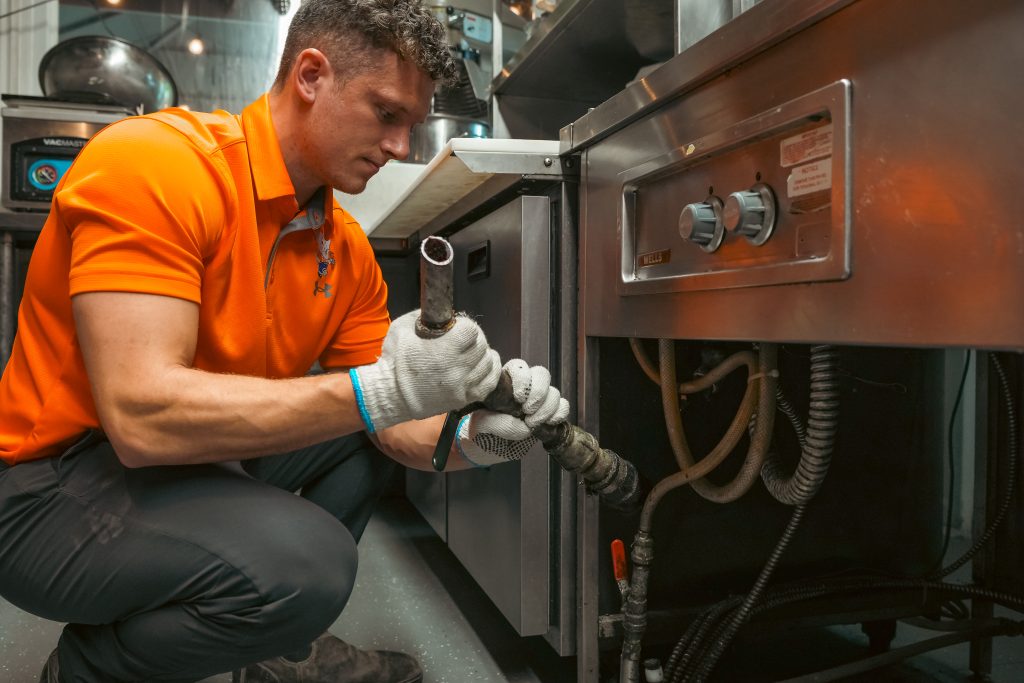

Who Can I Call for Urgent Pipe Repair When I Discover a Sudden Water Leak at Home?
A burst pipe doesn’t wait for convenient timing. Water spraying from a supply line, pooling in your basement, or spreading across your ceiling demands immediate action.
Emergency pipe repair situations include burst pipes with active water flow, visible water damage spreading on walls or ceilings, water pooling in the basement or crawlspace, sudden pressure loss throughout your home, and sewage backup from damaged drain pipes.
Jumbo Plumbing maintains 24/7 emergency availability throughout St. Thomas and Elgin County. When you call with an active leak, we dispatch a technician equipped to stop the damage and complete repairs.
According to the Insurance Information Institute, water damage and freezing account for nearly 24% of all homeowner insurance claims, with average claims exceeding $12,000. Quick shut-off and professional pipe repair minimize damage extent and strengthen your insurance position.
Should I Turn Off the Water Before Calling a Plumber?
Yes, and immediately. Shutting off water is the single most important step you can take to limit damage while waiting for emergency service.
Immediate Steps for Active Leaks
- Locate main water shut-off valve (typically near water meter or where main line enters home)
- Turn valve clockwise to close completely
- Open lowest faucet in home to drain remaining water from lines
- Turn off water heater to prevent damage if tank drains
- Document damage with photos for insurance purposes
- Call a licensed plumber for emergency service
Your main shut-off valve is usually in the basement where the water line enters your home, near the water meter, or in a utility area. If you’ve never located it, find it now—before an emergency. Test it periodically to ensure it operates smoothly.
Dealing with an active leak? Contact Jumbo Plumbing for emergency pipe repair in St. Thomas and surrounding areas.
Where Can I Find a Plumber That Specializes in Burst Pipe Repair and Leak Fixing Near Me?
Burst pipe repair requires fast response, proper materials, and proven techniques that restore full function without creating new problems later. When a pipe fails, water spreads quickly through walls, floors, and insulation, and even after the supply is shut off, moisture continues to cause damage. Completing repairs as quickly as possible limits secondary damage and reduces the scope of restoration work.
A burst pipe can release 4-8 gallons of water per minute. Even with the water shut off, damage continues as standing water soaks into flooring, drywall, and insulation. The faster repairs are completed, the less secondary damage occurs.
Professional pipe repair for burst pipes involves removing the damaged section, preparing the remaining pipe ends, and installing new piping with compatible fittings. Plumbers must match existing materials or use approved transition fittings when upgrading older pipe types to ensure the repair remains reliable and code compliant.
Can a Plumber Fix a Burst Pipe on the Same Day?
In many cases, plumbers can complete burst pipe repairs on the same day, especially when the damage is accessible and limited to a single section of pipe. Repair time depends on where the pipe is located, how severe the failure is, and whether additional damage must be addressed before restoration begins.
Burst Pipe Repair Timeline
| Scenario | Typical Response | Repair Duration | Same-Day Likely? |
| Exposed pipe burst | 1-2 hours | 1-2 hours | Yes |
| In-wall pipe burst | 1-2 hours | 2-4 hours | Yes |
| Under-slab burst | 2-4 hours | 4-8 hours | Often |
| Multiple pipe failures | 1-2 hours | 4-8+ hours | Depends |
| Frozen pipe burst (winter) | 1-4 hours* | 2-4 hours | Yes |
*Winter demand increases response times
Several factors influence whether a burst pipe repair can be completed the same day, including the time the call is placed, the accessibility of the damaged pipe, the extent of the failure, and the availability of replacement materials. Exposed pipes and common materials allow for faster repairs, while concealed or under-slab failures often require additional time for access and verification.
How Do I Hire a Licensed Professional to Repair Corroded Pipes in My Older House?
Repairing corroded pipes in an older home requires a licensed plumber who understands how different pipe materials age and fail over time. Homes built decades ago often contain plumbing systems that behave very differently from modern installations, and corrosion patterns depend on material type, water chemistry, pressure, and original installation methods. A qualified professional evaluates these factors together to determine whether targeted repairs are sufficient or whether partial upgrades are necessary to prevent repeat failures.
St. Thomas has a wide range of housing stock that spans more than a century, and homes built in different eras often contain distinct pipe materials with predictable strengths and weaknesses. Because each material fails in its own way, effective repair depends on identifying what is in place, understanding how it has deteriorated, and selecting repair methods that align with both current code requirements and long-term reliability.
What Causes Pipe Leaks in Old Homes?
Pipe leaks in older homes rarely result from a single issue and usually develop from a combination of material aging and environmental stress. Understanding which pipe materials were commonly used during different construction periods helps explain why certain failures appear more often in older homes.
Pipe Materials by Era in St. Thomas Homes
| Construction Era | Common Pipe Materials | Expected Lifespan | Common Issues |
| Pre-1950 | Galvanized steel, lead | 40-70 years | Corrosion, lead contamination, restricted flow |
| 1950-1970 | Galvanized steel, copper | 50-80 years | Internal corrosion, joint failures |
| 1970-1995 | Copper, polybutylene (PB) | 25-50 years* | PB brittleness, copper pinhole leaks |
| 1995-Present | Copper, PEX, CPVC | 50-100 years | Fitting failures, UV degradation (PEX) |
*Polybutylene pipes have known failure issues; replacement often recommended
Several underlying factors accelerate corrosion and increase leak risk in aging plumbing systems.
Corrosion causes in older pipes:
- Water chemistry: High mineral content accelerates internal corrosion
- Galvanic corrosion: Occurs where dissimilar metals connect (copper to galvanized)
- Age deterioration: All pipe materials degrade over decades
- Water pressure: Excessive pressure stresses pipe walls and joints
- Ground movement: Settling foundation stresses rigid pipe connections
The American Society of Civil Engineers (ASCE) rates North American water infrastructure at a C- grade, noting that pipes installed before 1980 account for the majority of residential water main breaks and service line failures.
Own an older home in St. Thomas? Check our our full range of plumbing services or contact us for an assessment.
Which Local Plumbing Service Offers Same-Day Leak Fixing for Visible Water Stains and Drips?
Visible water stains and drips indicate active leaks that worsen without repair, and same-day leak fixing helps prevent minor issues from turning into costly damage. Water stains on ceilings often point to leaks in the floor above, while wall stains commonly come from in-wall supply lines or fixture connections, although some staining can originate from non-plumbing sources.
A professional plumber can identify whether the issue is plumbing-related and complete targeted repairs to stop the leak without unnecessary disruption.
How Do I Know If I Have a Hidden Pipe Leak?
Hidden leaks cause damage long before they become visible. Recognizing early warning signs allows intervention before walls, floors, and foundations suffer serious harm. Here are a few indicators to watch for:
Visual indicators:
- Water stains on ceilings or walls (often yellow/brown rings)
- Bubbling or peeling paint
- Warped or buckled flooring
- Mould or mildew growth in unexpected areas
- Damp spots on floors without obvious source
Utility indicators:
- Unexplained water bill increases (20%+ spike warrants investigation)
- Water meter running when all fixtures off
- Reduced water pressure throughout home
Sensory indicators:
- Musty odour in specific areas
- Sound of running water when nothing is on
- Warm spots on floor (hot water line leak)
According to the U.S. Environmental Protection Agency (EPA), household leaks waste nearly 1 trillion gallons of water annually nationwide—approximately 10,000 gallons per leaking home. The average household’s leaks account for nearly 10% of water bills.
Who Provides Emergency Slab Leak Repair and Underground Pipe Leak Fixing?
Slab leaks rank among the most serious pipe repair situations homeowners face because they develop below the concrete foundation and remain hidden until damage is already underway. When water supply or drain lines beneath the slab crack or fail, leaking water saturates soil, undermines the foundation, and often causes secondary damage inside the home before the source becomes obvious.
Because these leaks occur below finished surfaces, early signs tend to appear indirectly. Changes in flooring temperature, unexplained moisture, rising water bills, or damp areas near the foundation often signal an underground failure rather than a visible plumbing issue. Accurate diagnosis requires professional leak detection before repairs begin, since accessing the wrong area can lead to unnecessary concrete removal and higher repair costs.
Slab leak warning signs:
- Hot spots on the floor (hot water line failure)
- Sound of running water under the floor
- Cracks in the foundation or walls
- Sudden spike in water bill
- Water pooling around foundation exterior
- Damp carpet or flooring without a visible source
Plumbers perform slab leak repairs through spot repairs, pipe rerouting that bypasses damaged sections, or full repiping when repeated failures make localized repair unreliable.
Are There Temporary Fixes for Pipe Leaks?
Temporary repairs can stop active leaks while you arrange for professional service, but they’re not permanent solutions. Here’s how they differ from permanent repairs:
Temporary vs. Permanent Pipe Repairs
| Repair Type | Appropriate For | Duration | Limitations |
| Pipe clamp | Small pinhole leaks | Days to weeks | Pressure-limited, not code-compliant |
| Epoxy putty | Hairline cracks | Days to weeks | Temperature-sensitive, temporary only |
| Pipe wrap tape | Minor seepage | Hours to days | Fails under pressure, emergency only |
| Compression fitting | Clean pipe breaks | Permanent* | Requires pipe access, proper sizing |
| Soldered repair | Copper pipes | Permanent | Requires skill, proper materials |
| PEX crimp repair | PEX pipes | Permanent | Requires proper tools and fittings |
*When properly installed by a licensed plumber
Temporary fix guidance:
- Pipe clamps and epoxy: Acceptable for 24-72 hours until professional pipe repair
- Pipe wrap tape: Emergency stop-gap only; fails quickly
- Never leave temporary repairs as permanent solutions
- Insurance may deny claims for damage from failed temporary repairs
If you’re relying on a temporary fix to control an active leak, the next step should be a professional assessment before the repair fails. Jumbo Plumbing provides licensed leak diagnosis and permanent pipe repair solutions that stop leaks safely and restore full system integrity.
Contact our team for professional diagnosis and minimally invasive repair options.
Where Can I Book an Inspection and Repair for Pinhole Leaks in My Plumbing Lines?
Pinhole leaks are small perforations that form in copper pipes and have become increasingly common in homes built between 1970 and 2000. These leaks often start slowly and remain hidden inside walls or ceilings, but they can release significant amounts of water over time and cause staining, corrosion, or structural damage if left unaddressed. Professional inspection helps confirm whether pinhole leaks are isolated failures or signs of broader pipe deterioration, which allows homeowners to plan repairs before repeated leaks occur.
What causes pinhole leaks?
- Water chemistry: Aggressive water (low pH, high chlorine) corrodes copper from the inside
- Water velocity: High-speed water flow erodes pipe walls at bends and fittings
- Electrical grounding: Improper grounding through plumbing causes electrolytic corrosion
- Manufacturing defects: Some copper pipe batches have thinner walls or impurities
- Flux residue: Excess soldering flux left inside pipes accelerates corrosion
The Water Research Foundation has documented pinhole leak epidemics in multiple North American regions, linking occurrences to specific water chemistry conditions and pipe manufacturing periods.
Pinhole leak repair options:
- Spot repair: Fix individual leaks as they appear (reactive approach)
- Section replacement: Replace affected pipe runs (targeted approach)
- Whole-house repiping: Replace all copper with PEX (comprehensive solution)
If you’re experiencing multiple pinhole leaks, spot repairs become a game of whack-a-mole. Each repair costs $175-$350, and if the underlying cause (water chemistry, pipe batch) affects your entire system, more leaks will follow. At some point, repiping becomes more economical than continuous repairs.
Which Plumbers Can Replace Damaged Sections of Pipe and Upgrade Them to More Durable Materials?
Pipe repair does not always stop at patching a leak, because severely worn or corroded sections often need full replacement to prevent repeat failures. Licensed plumbers can remove damaged pipe and install more durable materials that perform better over time and meet current code requirements.
When walls or ceilings are already open for leak repair, upgrading pipe materials usually adds little additional cost and delivers long-term value. Replacing corroded galvanized pipe with copper or PEX while access is available helps prevent future leaks in nearby sections and avoids the need for repeated repairs in the same area.
How Much Does Pipe Repair Cost?
Pipe repair costs vary significantly based on leak location, pipe material, and repair complexity. Check out the table below for a cost ranges.
Pipe Repair Cost Breakdown
| Repair Type | Typical Cost Range | Factors Affecting Price |
| Simple joint repair | $150-$300 | Accessibility, pipe material |
| Pinhole leak repair | $175-$350 | Number of leaks, location |
| In-wall pipe repair | $250-$600 | Wall opening, drywall repair |
| Slab leak repair (spot) | $500-$1,500 | Access method, depth |
| Slab leak repair (reroute) | $1,500-$3,500 | Pipe length, complexity |
| Pipe section replacement | $300-$800 | Length, material, location |
| Emergency repair (after hours) | +$100-$200 | Time of call, severity |
Prices are estimates for the St. Thomas area. Schedule a service with Jumbo Plumbing for accurate quotes.
Pipe material upgrade comparison:
| Material | Cost (per linear foot installed) | Lifespan | Best For |
| Copper | $8-$15 | 50-70 years | Whole-house, high-value |
| PEX | $4-$8 | 40-50 years | Repiping, flexibility needed |
| CPVC | $3-$6 | 40-50 years | Budget-conscious upgrades |
| PEX-AL-PEX | $6-$10 | 50+ years | Radiant heat, exposed runs |
How Do I Find a Specialist for Repairing Leaking Pipes Behind Walls or Ceilings Without Major Damage?
Leaks behind walls or ceilings often worry homeowners because of the potential mess and repair costs, but modern plumbing techniques have changed how these problems are handled. Skilled plumbers no longer rely on guesswork or widespread demolition to find and fix hidden leaks. Instead, they locate the source accurately and access the pipe in the most direct way possible, which keeps repairs focused and limits damage to finished surfaces.
Modern leak repair techniques minimize demolition, and in many cases, plumbers can access and repair leaking pipes with small, strategic openings rather than removing entire walls or ceilings. This targeted approach allows the leak to be fixed properly while keeping restoration work simple and contained.
Minimally invasive pipe repair methods
Electronic leak detection:
- Acoustic sensors detect sound of water escaping pipes
- Thermal imaging identifies temperature differences from leaks
- Moisture meters pinpoint water migration paths
- Reduces exploratory demolition significantly
Access techniques:
- Small inspection holes (2-4 inches) for camera scopes
- Strategic access cuts in drywall (easily patched)
- Ceiling access panels for future maintenance
- Crawlspace entry when available
Repair without major demolition:
- Pull-through lining: Epoxy liner inserted through small access points (for drain pipes)
- Spot repair: Single access hole, localized fix, minimal patching
- PEX reroute: New line run through accessible path, abandoning damaged section
Worried about wall damage during repairs? Learn about our approach or see examples of our completed work.
Who Offers Warranty-Backed Pipe Repair and Leak Fixing Services for Homeowners?
Homeowners should choose a plumbing contractor who provides a clear, written warranty, because it shows confidence in the repair and protects against repeat costs. A solid warranty typically covers labour and workmanship for a defined period, includes parts and materials under manufacturer coverage, and allows return visits if a repair fails within the warranty window.
Clear documentation matters just as much as the warranty itself, since it explains what was repaired and what is covered. In many cases, a slightly higher quote with strong warranty protection offers better long-term value than a cheaper repair with no guarantee.
What warranties should cover:
- Labour and workmanship for specified period (typically 1-2 years)
- Parts and materials (manufacturer warranty, often longer)
- Return visits if the repair fails within warranty period
- Clear documentation of work performed
Ask about warranty terms before authorizing work. A slightly higher quote from a contractor offering a solid warranty often provides better value than a cheaper quote with no guarantee.
Is Pipe Repair Covered by Insurance?
Insurance coverage for pipe damage depends on how the damage occurred—sudden failures are typically covered, while gradual deterioration is not.
Insurance Coverage for Pipe Damage
| Scenario | Typically Covered? | Notes |
| Sudden pipe burst | Yes | Damage from burst usually covered |
| Water damage from burst | Yes | Interior damage to home/belongings |
| Frozen pipe burst | Usually | May require proof of heat maintenance |
| Gradual leak damage | No | “Maintenance” exclusion applies |
| Slab leak damage | Partial | Often covers damage, not repair |
| Corroded pipe failure | Varies | Depends on “sudden vs. gradual” |
| Repair/replacement cost | Rarely | Most policies exclude pipe itself |
| Mould from water damage | Varies | Some policies exclude or cap mould |
Insurance claim tips:
- Document damage immediately with photos and video
- Keep damaged materials for adjuster inspection
- Get written repair estimates from licensed plumbers
- Request detailed invoices describing the failure cause
- File claim promptly. Most policies have time limits
According to Forbes Advisor, water damage claims average $11,098 after deductibles, making proper documentation and professional pipe repair essential for successful claims.
How Much Does It Typically Cost to Repair a Leaking Copper or PVC Pipe in a Home?
Leak repair costs depend on the pipe material, the leak location, and how easy the pipe is to reach. Exposed leaks usually cost less to fix, while leaks behind walls, under floors, or below slabs take more time and increase labour costs. Knowing these factors helps homeowners compare quotes and set realistic expectations.
Cost factors explained:
Pipe material:
- Copper repairs require soldering skills and specific fittings
- PVC/CPVC repairs involve cutting, priming, and cementing
- PEX repairs need crimp or expansion tools and fittings
- Galvanized steel repairs often require replacement sections
Accessibility:
- Exposed pipe: Minimal labour, lowest cost
- Behind drywall: Wall opening and patching adds cost
- Under slab: Most expensive due to access challenges
- In crawlspace: Middle ground, depends on conditions
How Long Does Pipe Leak Repair Take?
Most pipe leak repairs are completed in a single visit, but the exact timeline depends on the type of leak and where it is located. Simple, exposed pipe repairs can take less than an hour, while leaks behind walls, under floors, or beneath slabs require more time to access and fix.
| Repair Scenario | Time Range | Factors |
| Simple exposed pipe fix | 30 min – 1 hour | Material, fitting type |
| In-wall pipe repair | 2-4 hours | Location, drywall work |
| Slab leak (spot repair) | 4-8 hours | Depth, concrete removal |
| Slab leak (reroute) | 6-12 hours | Run length, access points |
| Multiple leak repairs | Half day – full day | Number, locations |
| Emergency temporary fix | 30 min – 1 hour | Accessibility |
More complex situations, such as slab leaks, multiple failures, or repairs that require permits, may extend the work over more than one day, and a professional plumber should explain the expected timeline before starting.
Service Areas for Pipe Repair Near St. Thomas
Jumbo Plumbing provides pipe repair and leak repair services throughout St. Thomas and the surrounding Elgin County region.
St. Thomas & Immediate Area:
- St. Thomas (all neighbourhoods)
- Central Elgin
- Port Stanley
- Union
- Sparta
Greater Elgin County:
- Aylmer
- Southwold
- Malahide
- Bayham
- Port Burwell
Extended Service Area:
- Tillsonburg
- Vienna
- Straffordville
- Belmont
Located in St. Thomas or the surrounding areas? View our plumbing services or contact us for pipe repair service.
Professional Pipe Repair You Can Rely On from Jumbo Plumbing
Pipe leaks can range from minor drips to emergency situations that threaten a home’s structure and safety. In older St. Thomas homes, aging galvanized steel and copper piping often requires professional assessment to determine whether targeted repair or full replacement will provide the most reliable outcome.
Modern pipe repair techniques allow plumbers to locate leaks accurately and complete repairs with minimal disruption. Electronic leak detection, controlled access methods, and durable material upgrades make it possible to fix problems effectively without unnecessary demolition. Acting quickly reduces water damage, supports insurance claims, and limits the spread of secondary issues inside walls, floors, and foundations.
Professional pipe repair is not just about stopping a leak. It ensures repairs meet current code requirements, addresses underlying weaknesses in the system, and restores long-term reliability so homeowners are not dealing with repeat failures in the same area.
Explore our plumbing services or contact Jumbo Plumbing to schedule an assessment.
Frequently Asked Questions
How do I know if I have a hidden pipe leak?
Warning signs include unexplained water bill increases, water stains on walls or ceilings, musty odours, and hearing running water when all fixtures are off.
Who fixes pipe leaks near me?
Jumbo Plumbing provides licensed leak repair services throughout St. Thomas and Elgin County, with same-day emergency response available.
How much does pipe repair cost?
Pipe repair typically costs $150-$600 for accessible repairs, with slab leaks and complex repairs ranging from $500-$3,500, depending on access method.
Can a plumber fix a burst pipe on the same day?
Yes, most burst pipe repairs are completed same-day, typically within 2-4 hours of arrival for standard repairs.
What causes pipe leaks in old homes?
Corrosion, galvanic reactions between dissimilar metals, pipe material degradation, water chemistry, and ground settlement cause most leaks in older homes.
Is pipe repair covered by insurance?
Homeowner insurance typically covers water damage from sudden pipe failures but excludes gradual deterioration and often excludes the pipe repair itself.
Should I turn off the water before calling a plumber?
Yes—immediately shut off the main water valve for active leaks to prevent additional water damage while waiting for emergency service.
How long does pipe leak repair take?
Simple exposed pipe repairs take 30 minutes to 1 hour, while in-wall repairs require 2-4 hours, and slab leaks may take 4-12 hours.
Are there temporary fixes for pipe leaks?
Pipe clamps and epoxy putty provide temporary solutions for 24-72 hours until professional pipe repair, but should never be left as permanent fixes.
What are the signs of a slab leak?
Slab leak signs include hot spots on floors, foundation cracks, water pooling near the foundation, unexplained water bill increases, and the sound of running water under floors.