
Renovation & Remodel Plumbing in St. Thomas & Surrounding Areas
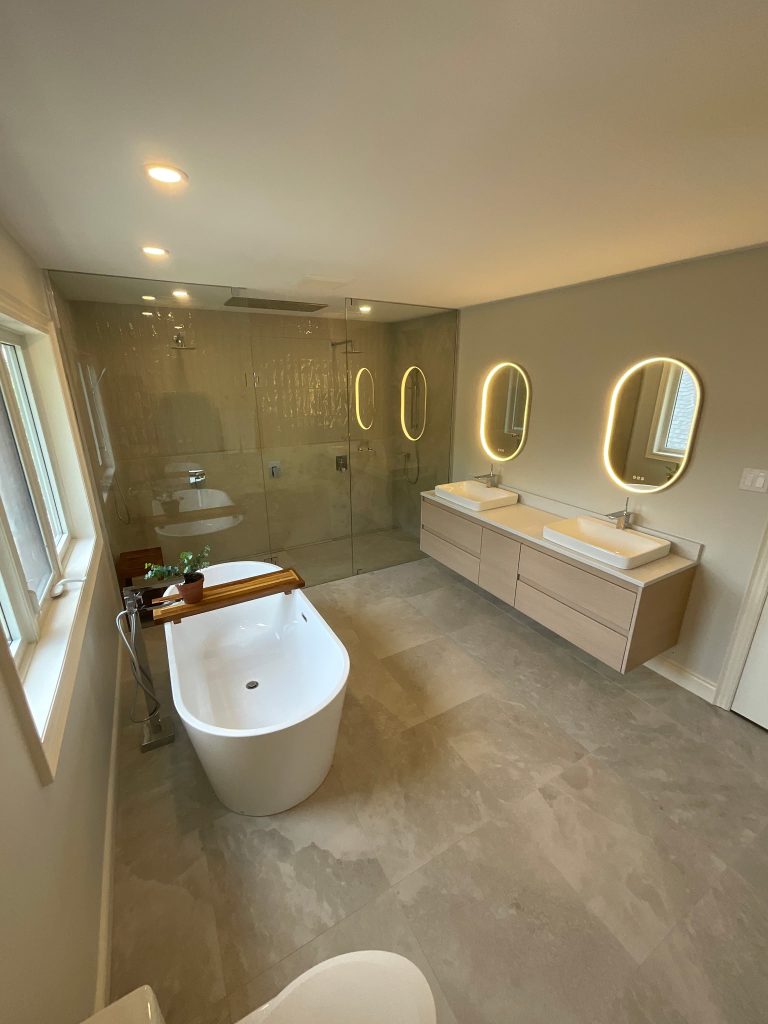
Plumbing work plays a critical role in renovation projects because changes to layout, fixtures, and finishes often require pipes, drains, and vents to be relocated or upgraded. Without proper planning, plumbing issues can cause delays, failed inspections, or expensive rework after walls and floors are already finished. A licensed remodel plumber helps prevent these problems by addressing plumbing requirements early and coordinating work with the overall renovation schedule.
Renovation plumbing differs from repair work because it involves reconfiguring layouts, extending supply lines, and installing new drain, waste, and vent systems instead of simply fixing existing problems.
Plumbing permits protect your investment, and most remodel plumbing work in St. Thomas and Elgin County requires proper permits, since unpermitted changes can void insurance coverage and complicate future home sales.
Who Can Handle All Plumbing Work for My Bathroom Renovation From Rough-In to Final Fixtures?
Bathroom renovations involve two distinct plumbing phases, and hiring one licensed plumbing contractor to manage both helps ensure accountability and smooth coordination throughout the project. When the same plumber handles the work from start to finish, connections line up properly, inspections move faster, and responsibility stays clear if adjustments are needed.
Rough-in plumbing happens before walls are closed and sets the foundation for the entire renovation. This phase includes running supply lines to fixture locations, installing drain pipes with proper slope, connecting vent stacks to prevent sewer gas entry, and positioning shut-off valves for future access. Rough-in work must pass inspection before drywall goes up, making accuracy critical at this stage.
Finish plumbing occurs after flooring, tile, and paint are complete and focuses on bringing the space into service. This phase involves installing faucets, toilets, showerheads, and connecting fixtures to the rough-in work. Because finished surfaces are already in place, plumbers must work carefully to avoid damage while ensuring fixtures align correctly and operate as intended.
When a single licensed remodel plumber manages both phases, they understand exactly where rough-in connections are located and how the system was built. This continuity reduces mistakes, prevents delays, and avoids the finger-pointing that often occurs when rough-in and finish work are handled by different contractors.
See completed bathroom renovations in our project gallery.
Where Can I Find a Plumber Experienced in Kitchen Remodel, Plumbing Layout, and Installation?
Kitchen remodel plumbing requires a plumber who understands how layout changes affect function, code compliance, and long-term reliability. Unlike bathroom projects, kitchen renovations often involve multiple appliances, altered workflows, and tighter tolerances for drainage, venting, and supply routing. An experienced renovation plumber plans these elements together so new layouts work efficiently, pass inspection, and avoid problems that only surface after cabinets and countertops are installed.
Kitchen remodel plumbing considerations:
- Sink relocation: Moving the sink to an island requires extending drain lines, often through or under the floor, and proper venting that may need air admittance valves where traditional venting isn’t feasible
- Dishwasher connections: Supply lines, drain connections, and air gap requirements per code
- Gas range hookups: If switching from electric or relocating gas appliances
- Pot fillers: Require a dedicated supply line run to the stove location
- Instant hot water dispensers: Need both plumbing and electrical connections
- Refrigerator ice makers: Supply line routing to refrigerator location
Island sinks create particular complexity. Drain lines need a proper slope to the main stack, and venting requires creative solutions since traditional vent stacks can’t run through island countertops. A renovation plumbing contractor who is experienced with island layouts knows these challenges and plans appropriate solutions accordingly to ensure a smooth project flow.
How Do I Choose a Plumbing Contractor for a Full Home Renovation With New Pipes and Fixtures?
A full home renovation places heavy demands on the plumbing system. New pipe runs, relocated fixtures, and inspection requirements affect how the entire project moves forward, and poor planning can cause delays or rework. Because renovation plumbing touches framing, electrical work, and finishes, the plumbing contractor you choose must understand how plumbing fits into the larger renovation schedule.
Selection criteria:
- Valid Ontario plumbing licence: Verify through Skilled Trades Ontario
- Liability insurance: $2M minimum recommended
- Renovation experience: Not just service call history
- Contractor coordination: Willingness to work with GC schedules
- Transparent quoting: Separates labour, materials, and permit fees
What to Ask a Renovation Plumber
| Question | Why It Matters |
| “Are you licensed for new construction work?” | Ensures legal compliance for permit inspections |
| “Do you pull permits or does the homeowner?” | Determines liability and inspection scheduling |
| “Can you provide a phased quote?” | Allows budget planning for rough-in vs. finish stages |
| “What’s your lead time for materials?” | Fixture shortages can delay projects 4–8 weeks |
Renovation plumbing differs from repair work in both scope and execution. A plumber may be excellent at fixing leaks, but that does not mean they have experience planning rough-in layouts or coordinating with other trades on a renovation site. Asking about past renovation projects helps confirm that the contractor can manage inspections, sequencing, and layout changes without creating problems later.
Learn how Jumbo Plumbing approaches renovation projects.
Which Plumbing Services Specialize in Coordinating With Contractors for Remodel Projects?
Remodel projects succeed or fail based on coordination between trades. Plumbing work must align with framing, electrical, drywall, and finishing schedules, and even small miscommunications can delay the entire project. A renovation-focused construction plumbing service understands this dependency and plans work around the broader construction timeline rather than treating plumbing as a standalone task.
Typical renovation plumbing sequence:
- Planning phase: Review blueprints, confirm fixture locations, and identify code requirements
- Rough-in phase: Install supply lines, drains, and vents after framing, before insulation
- Inspection: Municipal inspector verifies code compliance before walls close
- Pressure test: Confirm no leaks before drywall installation
- Finish phase: Install fixtures after flooring, tile, and paint are complete
- Final inspection: Verify completed work meets code
Your renovation plumbing specialist coordinates each phase with the general contractor’s schedule and adjusts as conditions change. If framing runs behind, rough-in work shifts accordingly, and if tile or flooring is delayed, finish plumbing moves without disrupting other trades. Experienced remodel plumbers build flexibility into their timelines and communicate early, which helps keep the renovation moving forward instead of being stalled by scheduling conflicts.
Who Can Relocate Plumbing Lines for a New Shower, Tub, or Kitchen Island During a Remodel?
Relocating plumbing lines is a core part of a plumbing remodeling service and requires careful planning before construction. Moving a shower, tub, or kitchen island affects supply lines, drain routing, and vent connections, and each change must meet current code while supporting proper flow and long-term reliability. A licensed remodel plumber evaluates the existing system, plans the new layout, and reroutes plumbing in a way that aligns with the renovation design and avoids problems once walls and floors are finished.
Fixture Relocation Complexity
| Fixture Relocation | Typical Complexity | Approximate Timeline |
| Toilet (within 3 ft) | Moderate | 1 day |
| Shower/tub (new location) | High | 2–3 days |
| Kitchen sink to island | High | 2–4 days |
| Laundry room addition | Moderate–High | 1–2 days |
| Basement bathroom (below sewer line) | Very High | 3–5 days + ejector pump |
Toilet relocation requires extending the closet flange and maintaining proper slope to the drain stack. Moving a toilet more than a few feet often requires opening the flooring to adjust the drain routing.
Shower relocations need new drain traps positioned at the correct height and potentially relocated venting. Shower drains must slope properly to the trap, and the trap must maintain a water seal to prevent sewer gas entry.
Kitchen island plumbing presents venting challenges. Traditional vents rise vertically to the roof, but islands can’t accommodate visible vent stacks. Air admittance valves (AAVs) provide code-compliant alternatives in many jurisdictions, but not all inspectors approve them for all applications.
Where Can I Get a Quote for Upgrading Old Plumbing as Part of a Bathroom Remodel?
Bathroom renovations make it easier to upgrade old plumbing because plumbers can reach pipes inside walls and floors while surfaces are already removed. They can replace outdated supply and drain lines, adjust pipe layouts, and fix hidden problems without cutting into finished tile or drywall. When plumbers do this work during a remodel, labour costs are often lower because access is already available, and homeowners avoid the disruption of having to open walls again later.
When walls are open, consider upgrading:
- Galvanized steel pipes (common in pre-1960 homes) to copper or PEX
- Polybutylene pipes (1978-1995 homes) to modern materials
- Undersized supply lines to larger diameter for improved flow
- Old shut-off valves to quarter-turn ball valves
- Aging water heater to a higher-efficiency unit
According to the U.S. Environmental Protection Agency, WaterSense-labelled fixtures can reduce household water use by 20%, with bathroom faucets and showerheads offering the quickest payback during renovations.
The cost difference between “while we’re in there” upgrades and future standalone projects is dramatic. Replacing a corroded section of galvanized pipe during bathroom renovation might add $300-$500 to the project. Replacing that same section later costs $1,500+, including drywall repair.
Contact our licensed plumbing team for a detailed renovation plumbing quote.
How Do I Hire a Licensed Plumber to Add New Bathrooms or Laundry Rooms in a Renovation?
Adding a new bathroom or laundry room requires a licensed plumber who can design and connect new plumbing without overloading the existing system. New fixtures place additional demand on drain stacks, supply lines, and venting, and improper planning can lead to slow drainage, pressure problems, or failed inspections.
Because these additions often involve cutting into main lines or working below grade, the plumber must understand code requirements and how new connections affect the rest of the home’s plumbing.
New bathroom addition requirements:
- Drain tie-in to existing waste stack or new connection to main
- Supply line extensions with adequate diameter
- Vent connections meeting code requirements
- Exhaust fan venting (separate from plumbing but often coordinated)
Basement bathroom challenges:
Basement fixtures often sit below the main sewer line, meaning gravity won’t carry waste to the sewer. These installations require ejector pump systems that collect waste in a sealed basin and pump it up to the main drain. Ejector systems add $1,500-$3,000 to basement bathroom costs but are essential for proper function.
Backwater valves protect basement bathrooms from sewer backup. Many Ontario municipalities now require these valves for below-grade fixtures. They allow waste to flow out but prevent municipal sewer backups from entering your home.
Which Plumbers Can Help Design Efficient Plumbing Layouts for a Basement or Attic Conversion?
Basement and attic conversions require plumbers who can design layouts that work within tight or unconventional spaces. Plumbing for remodels typically involves drain routing, venting paths, and water pressure limitations that differ from standard living areas, and poor planning can create long-term performance issues. A renovation plumber with layout experience can design efficient systems that meet code and function reliably once the space is finished.
Basement conversion plumbing:
- Ejector pumps for fixtures below sewer line
- Backwater valve installation (required in many municipalities)
- Floor drains with trap primers to maintain water seal
- Sump pump coordination if water management is needed
- Adequate ventilation to existing stack or air admittance valves
Attic conversion plumbing:
- Long vertical supply runs that may require pressure boosting
- Drain routing through multiple floors to reach main stack
- Frost protection for pipes in cold attic spaces
- Water heater location considerations (tankless often preferred for space savings)
Basement Conversion Plumbing Essentials
- Backwater valve installation (required in many Ontario municipalities)
- Ejector pump for below-grade fixtures
- Floor drain with trap primer to prevent sewer gas
- Adequate ventilation to existing stack or air admittance valve
“Wet wall” clustering minimizes pipe runs and reduces costs. Positioning fixtures back-to-back or stacked vertically shares drain and vent connections. A basement bathroom directly below the main floor bathroom shares the same stack, significantly simplifying installation.
Who Offers Turnkey Plumbing Services Including Permits for Major Home Remodels?
Major home remodels require plumbing work that meets strict code and inspection requirements. A turnkey plumbing service manages permits, schedules inspections, and provides final sign-off documentation, so the homeowner does not need to coordinate with the municipality. This approach reduces delays, avoids compliance issues, and keeps the renovation on track.
Turnkey service includes:
- Permit application and fee payment
- Inspection scheduling at appropriate project stages
- Corrections if the inspector requires changes
- Final documentation for your records
Advantages over homeowner-pulled permits:
- A plumber understands what inspectors look for
- Professional handles scheduling and callbacks
- Liability for code compliance stays with the contractor
- Less stress and coordination burden on the homeowner
The U.S. Census Bureau’s Annual Construction Survey reports that residential renovation spending exceeded $600 billion USD in 2024, with bathroom and kitchen remodels representing the largest category. This volume underscores the importance of code-compliant plumbing renovation work that protects both current use and future resale.
Discover why St. Thomas homeowners trust Jumbo Plumbing for permitted renovation plumbing work.
Where Can I Find Plumbing Experts to Recommend Modern Fixtures and Piping for My Renovation?
Renovation projects benefit from plumbers who understand how fixture choices and pipe materials affect performance, durability, and future maintenance. Different materials suit different uses, and the right selections depend on budget, layout, and how the space will be used. A renovation plumbing specialists help homeowners choose options that work well today and continue to perform reliably for decades.
Piping Materials for Renovations
| Material | Best For | Lifespan | Cost (Relative) |
| PEX | Supply lines, freeze-prone areas | 40–50 years | Low |
| Copper | Supply lines, high-value homes | 50–70 years | High |
| ABS | Drain-waste-vent (Ontario standard) | 50+ years | Moderate |
| CPVC | Hot water supply (budget option) | 25–40 years | Low |
PEX tubing has become the dominant choice for residential supply lines. The National Association of Home Builders reports that 67% of remodelers now specify PEX due to faster installation and freeze resistance—a relevant consideration for St. Thomas winters. PEX flexes around obstacles, requires fewer fittings than rigid pipe, and doesn’t corrode.
Copper remains the premium choice for visible installations and high-end homes. Its proven longevity (50-70 years) and recyclability appeal to quality-focused homeowners.
Fixture selection guidance:
- Flow rates that balance efficiency with user satisfaction
- Finish consistency across bathroom or kitchen fixtures
- Accessibility features for aging-in-place considerations
- Compatibility with existing plumbing connections
Do I Need New Plumbing for a Remodel?
Not every remodel requires new plumbing. The answer depends on what you are changing and whether your existing pipes are still in good condition. A professional evaluation helps determine if small upgrades are enough or if replacement is the smarter long-term choice.
New plumbing typically required when:
- Changing fixture locations
- Adding fixtures (new bathroom, relocated kitchen sink)
- Existing pipes are galvanized, polybutylene, or visibly corroded
- Current supply lines are undersized for planned fixtures
- Drain venting doesn’t meet code for the new configuration
Existing plumbing may suffice when:
- Cosmetic updates only (new vanity in the same location)
- Like-for-like fixture replacement
- Pipes are copper or PEX in good condition
- No layout changes planned
A pre-renovation inspection reveals whether existing plumbing supports your plans or requires upgrading.
Can I Move Plumbing Fixtures During a Renovation?
Yes, licensed remodel plumbers relocate plumbing fixtures as part of renovation projects all the time. The feasibility and cost depend on how far the fixture moves and how much existing plumbing can be reused. A professional assessment helps determine whether relocation is straightforward or requires more extensive pipe changes.
Cost factors for fixture relocation:
- Distance from existing drain: Moving along existing drain runs costs less than relocating to new wall locations
- Direction of move: Perpendicular moves across floor joists require more labour
- Accessibility: Open framing vs. finished spaces
- Vent requirements: May need new vent connections for relocated fixtures
Moving fixtures short distances often allows plumbers to extend existing drain and vent lines, which keeps costs lower. Once fixtures move more than four to six feet, new drain, waste, and vent runs are usually required, and labour increases as a result. This distance is often the tipping point where relocation becomes a more significant plumbing project rather than a minor adjustment.
What’s the Cost of Plumbing Work in a Bathroom Remodel?
Bathroom remodel plumbing costs vary based on how much work is involved and how the space is changing. Replacing fixtures in the same locations costs less, while moving pipes, drains, and vents increases labour and complexity. Understanding what drives these costs helps homeowners set realistic expectations before requesting quotes.
Realistic Ontario cost ranges:
- Basic fixture replacements (same locations): $1,500–$3,500 CAD
- Layout changes (moving fixtures): $3,500–$8,000 CAD
- Full bathroom gut with new layout: $5,000–$15,000 CAD for plumbing alone
- Adding new bathroom: $6,000–$15,000+ CAD depending on location and complexity
These ranges cover plumbing labour and materials only, not fixtures, tile, vanities, or other finishes. Total bathroom renovation budgets should account for all trades.
How Do Plumbers Coordinate With General Contractors?
Successful renovation plumbing projects depend on clear coordination between the plumber and the general contractor. Plumbing work must align with framing, inspections, and finishing schedules, or delays quickly ripple through the project. An experienced renovation plumber communicates timelines clearly and adjusts sequencing as conditions change on site.
Typical coordination sequence:
- Pre-construction meeting: Plumber reviews plans with GC, confirms fixture locations, and identifies potential conflicts
- Rough-in scheduling: Plumber arrives after framing is complete, before insulation and drywall
- Inspection coordination: Plumber schedules municipal inspection; work pauses until approval
- Progress updates: Regular communication about timeline changes affecting either trade
- Finish scheduling: Plumber returns after flooring, tile, and paint for fixture installation
Experienced renovation plumbing specialists communicate directly with general contractors rather than relying on homeowners to relay messages. They adjust schedules when other trades run behind and flag potential problems before they cause delays.
The best working relationships develop over multiple projects. Plumbers and GCs who work together regularly understand each other’s processes and timing needs.
Is Plumbing Updated During Kitchen Renovations?
Often, yes, and it’s usually necessary. Opening walls during a kitchen renovation exposes pipes, vents, and connections that may be outdated, damaged, or no longer code-compliant. Addressing these issues while access is available costs far less than repairing them after cabinets and finishes are installed.
Common discoveries during kitchen renovation:
- Corroded galvanized supply lines restricting water flow
- Improper venting on sink drains causing slow drainage
- Non-compliant gas connections to ranges
- Undersized supply lines inadequate for modern fixtures
- Previous unpermitted work that doesn’t meet code
Updating plumbing during renovation costs significantly less than addressing these issues after the project is completed. With walls open, access is easy. After new cabinets, countertops, and backsplash are installed, the same repair requires demolition and reconstruction.
If your kitchen renovation opens walls, have your plumbing contractor inspect visible pipes and connections before closing everything up. A 30-minute inspection during construction prevents expensive problems later.
What Permits Are Needed for Remodel Plumbing?
Most remodel plumbing work in Ontario requires permits because it changes how the plumbing system functions or connects to existing infrastructure. Adding fixtures, relocating pipes, or modifying drain, waste, and vent systems all trigger permit and inspection requirements. Understanding when permits are needed helps homeowners avoid compliance issues, insurance problems, and delays during resale.
Permits typically required for:
- Adding new fixtures or bathrooms
- Relocating existing fixtures
- Modifying drain-waste-vent systems
- Water heater replacement (in some municipalities)
- Gas line work (separate gas permit)
Permits typically not required for:
- Simple fixture swaps (toilet for toilet, faucet for faucet)
- Repair work that doesn’t alter system configuration
- Replacement of components with identical specifications
Unpermitted plumbing renovation work creates serious problems. Insurance claims may be denied for water damage involving unpermitted plumbing. Home sales can be delayed or derailed when inspectors discover unpermitted modifications. Bringing unpermitted work to code often costs more than doing it right initially.
How Long Does Plumbing Work Take in a Renovation?
Plumbing timelines during a renovation depend on the size of the project and how well work is coordinated with other trades. Rough-in and finish stages happen at different points, and delays in framing, inspections, or tile installation directly affect when renovation plumbing can proceed. Understanding typical timeframes helps homeowners plan realistic renovation schedules and avoid last-minute surprises.
Typical timeframes:
- Rough-in (single bathroom): 1–2 days
- Rough-in (full house): 3–5 days
- Finish plumbing (per bathroom): 1 day
- Kitchen rough-in: 1–2 days
- Full-home repipe during renovation: 3–5 days
These timelines assume materials are on-site and other trades are on schedule. Delays in framing push back plumbing rough-in. Tile installation delays push back the finish plumbing phase. Build flexibility into renovation schedules.
Can I Upgrade to More Efficient Fixtures During Remodelling?
Yes, and a renovation is often the best time to do it. When walls are open and fixtures are already being replaced, plumbers can install efficient toilets, faucets, and showerheads with little added labour. These upgrades reduce water use immediately and improve performance without increasing long-term maintenance.
Efficiency upgrades to consider:
- Dual-flush toilets: 1.1/1.6 GPF options reduce water use significantly
- Low-flow showerheads: Modern designs maintain pressure while reducing flow
- Tankless water heaters: On-demand heating, no standby losses, space savings
- WaterSense faucets: Aerators that reduce flow without noticeable performance change
When you’re already paying for fixture installation labour, the incremental cost of efficient fixtures over standard models is minimal. The ongoing utility savings compound year after year.
Are Inspections Required After Plumbing Renovation?
Yes, permitted plumbing renovation work requires inspections at specific stages. Inspectors verify rough-in work before walls are closed and confirm proper installation after fixtures are in place. Understanding the inspection process helps prevent delays and keeps the renovation moving forward smoothly.
Typical inspection sequence:
- Rough-in inspection: After pipes are installed, before walls are closed
- Final inspection: After fixture installation is completed
Failed inspections require corrections before sign-off. This may delay other trades. Drywall can’t proceed until rough-in passes, for example. Working with experienced renovation plumbing contractors minimizes inspection issues because they know what inspectors check.
Signs You Need Plumbing Upgrades During Your Renovation
Renovations often expose plumbing issues that were hidden behind walls or under floors. When pipes show signs of age, corrosion, or repeated failure, upgrading during construction is usually the most practical option. Addressing these problems while the walls are open costs far less than repairing leaks after finishes are complete.
Upgrade Indicators
- Galvanized steel pipes (grey, threaded)
- Polybutylene pipes (grey or blue plastic, pre-1995 homes)
- Low water pressure at multiple fixtures
- Visible corrosion at shut-off valves
- Drain backups that recur despite clearing
If your renovation reveals any of these conditions, upgrading during construction costs far less than addressing failures later through finished walls.
Renovation Plumbing Done Right with Jumbo Plumbing
Renovation plumbing requires a different skill set than standard repair work. It involves coordinating with multiple trades, meeting permit and inspection requirements, and making decisions that will remain hidden behind walls and floors for decades. When this work is done incorrectly, the consequences often surface later as failed inspections, misaligned fixtures, or premature pipe failures.
St. Thomas homeowners who work with licensed remodel plumbers reduce these risks by planning plumbing changes carefully and documenting work properly from the start. Before beginning a kitchen, bathroom, or basement renovation, it’s important to request detailed quotes that separate rough-in from finish work, verify licensing and insurance, and confirm who is responsible for permits and inspections.
Contact Jumbo Plumbing to discuss your renovation plumbing needs.
Frequently Asked Questions
Do I need new plumbing for a remodel?
Only if you’re changing fixture locations, adding fixtures, or your existing pipes are galvanized, polybutylene, or visibly corroded.
Can I move plumbing fixtures during a renovation?
Yes, licensed remodel plumbers can relocate fixtures, though costs increase significantly when moving more than 4–6 feet from existing drain lines.
What’s the cost of plumbing work in a bathroom remodel?
Expect $1,500–$3,500 CAD for basic fixture replacements and $5,000–$15,000 CAD for full layout changes in Ontario.
How do plumbers coordinate with general contractors?
Renovation plumbing specialists schedule rough-in after framing, return for pressure testing before drywall, and complete finish work after flooring installation.
Is plumbing updated during kitchen renovations?
Frequently—open walls reveal corroded pipes and non-compliant connections that cost less to fix during renovation than after completion.
What permits are needed for remodel plumbing?
Ontario requires permits for new plumbing installations, fixture relocations, and drain-waste-vent modifications; simple fixture swaps are typically exempt.
How long does plumbing work take in a renovation?
Rough-in takes 1–2 days per bathroom; finish plumbing adds another day; full-home re-pipes typically span 3–5 days.
Can I upgrade to more efficient fixtures during remodelling?
Yes, and renovations offer the most cost-effective opportunity to install WaterSense-certified fixtures and tankless water heaters.
Are inspections required after plumbing renovation?
Yes—permitted work requires rough-in inspection before walls close and final inspection after fixture installation.
What happens if unpermitted plumbing work is discovered?
You may face fines, required corrections at your expense, and complications with home insurance claims or future property sales.