
Sump Pumps & Flood Prevention in St. Thomas & Surrounding Areas
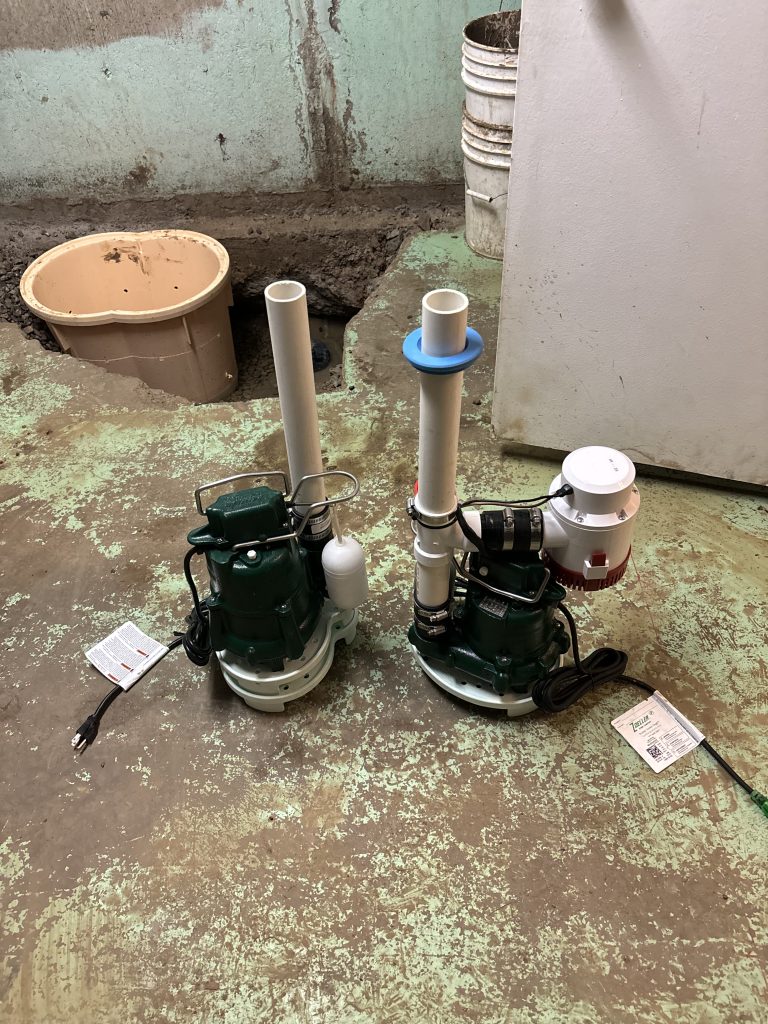
Basement flooding is a growing concern for homeowners in St. Thomas as heavy rainfall, rapid snowmelt, and aging drainage systems place more stress on foundations. When groundwater rises or storm systems overwhelm municipal sewers, water looks for the lowest point, which is often the basement. A properly installed sump pump system plays a critical role in managing this risk and keeping basements dry during severe weather.
Basement flooding causes an average of $43,000 in damages per incident; sump pump installation costs a fraction of that investment.

Who Installs Sump Pumps to Prevent Basement Flooding and Water Damage?
Sump pump installation should be handled by licensed plumbers or experienced sump pump contractors who understand local code requirements and groundwater conditions. Proper installation involves correct pit sizing, pump selection, discharge routing, and electrical setup, all of which affect whether the system works during heavy storms. Choosing a qualified installer helps ensure the sump pump provides reliable protection when the flooding risk is highest.
According to the Insurance Bureau of Canada, water damage now accounts for nearly 50% of all home insurance claims in Canada—a dramatic increase over the past two decades. Much of this damage is preventable with properly installed flood prevention systems.
Our licensed technicians bring years of combined experience to every installation. Learn more about our team.
Do I Actually Need a Sump Pump for My Basement?
Not every home needs a sump pump, but many St. Thomas and Elgin County properties face conditions that make one essential.
Risk factors indicating you need a sump pump:
- High water table: Groundwater naturally rises to basement level during wet seasons
- Poor drainage: Clay soil or inadequate grading directs water toward foundation
- Previous flooding: Any history of water in the basement, even minor seepage
- Basement finishing: Finished basements have more to lose from water damage
- Low-lying property: Homes at lower elevations collect neighbourhood runoff
- Older homes: Pre-1980 construction often lacks modern drainage systems
Warning Signs You Need a Sump Pump
- Visible water stains on basement walls
- Musty odours indicating moisture presence
- Efflorescence (white mineral deposits) on concrete
- Previous flooding incidents, even minor ones
- Cracks in foundation where water seeps through
St. Thomas sits in an area with variable soil conditions. Some neighbourhoods have well-draining sandy soil; others have clay that holds water against foundations. Local knowledge matters when assessing flood prevention needs.
According to FEMA, just one inch of floodwater causes approximately $25,000 in damage to the average home. A sump pump costing a fraction of that provides protection against this common disaster.
How Does a Sump Pump Actually Prevent Flooding?
Understanding sump pump operation helps home owners appreciate the importance of proper installation and maintenance.
How the system works:
- Collection: A sump pit (basin) collects groundwater that would otherwise enter your basement through floor cracks, wall joints, or drain tile systems
- Detection: A float switch rises with the water level, triggering the pump when water reaches a set point
- Removal: The pump activates, pushing water up through a discharge line
- Discharge: Water exits through a pipe directed away from the foundation (typically 10+ feet)
- Prevention: A check valve prevents discharged water from flowing back into the pit
The system operates automatically, activating whenever water levels rise and shutting off when the pit drains. During heavy rain or snowmelt, the pump may cycle frequently. This is normal operation, not a sign of problems.
Types of Sump Pumps
| Pump Type | Best For | Typical Lifespan | Price Range (CAD) |
| Submersible | Most residential applications | 7-10 years | $150-$400 |
| Pedestal | Smaller pits, budget-conscious | 25-30 years | $75-$200 |
| Battery Backup | Storm protection, peace of mind | 5-7 years (battery) | $300-$600 |
| Water-Powered | Areas with frequent outages | 10+ years | $200-$400 |
| Combination | Complete protection | Varies by component | $500-$1,200 |
Submersible pumps sit inside the pit, submerged in water. They’re quieter, more powerful, and handle debris better than pedestal models. Most residential installations use submersible pumps.
Pedestal pumps mount above the pit with only the impeller submerged. They’re less expensive and easier to service, but noisier and less powerful. They work in narrow pits where submersible pumps won’t fit.
Where Can I Hire a Professional to Replace My Failing Sump Pump?
Sump pump replacement is time-sensitive work because a failing pump during storm season leaves your basement vulnerable to flooding, mould growth, and potential damage.
Here are some signs your sump pump may need replacement:
- Running constantly without lowering the water level
- Cycling on and off rapidly (short cycling)
- Making unusual noises (grinding, rattling)
- Visible rust or corrosion
- Age over 7-10 years (submersible) or 25 years (pedestal)
- Tripping circuit breaker repeatedly
- Not activating when the float rises
Jumbo Plumbing provides sump pump services throughout St. Thomas, Aylmer, Port Stanley, Tillsonburg, and surrounding Elgin County communities. For failing pumps during storm season, we offer priority scheduling to restore protection quickly.
Need immediate assistance with a failing pump? Contact Jumbo Plumbing for same-day emergency service throughout St. Thomas and the surrounding areas.
Emergency Sump Pump Repair for Flooded Basements
When your sump pump fails during a storm, a quick response helps mitigate the extent of damage.
While waiting for emergency service:
- If safe, shut off electricity to the basement (water + electricity = danger)
- Stop water use that drains to the basement
- Move valuables above the water level if safely possible
- Document damage with photos for insurance
- Don’t enter standing water if electrical outlets or panels are submerged
Emergency sump pump repair may involve clearing blockages, replacing failed components, or installing a new pump entirely. Our technicians arrive with common replacement pumps and parts to resolve most emergencies in a single visit.
Should I Install a Battery Backup System?
A battery backup for your sump pump is considered essential for flood prevention.
The storms severe enough to overwhelm drainage systems are the same storms that knock out power. Without backup, your primary pump sits idle while water floods your basement.
According to the U.S. Department of Energy, the average home experiences 1.3 power outages annually, with storm-related outages lasting hours or days.
Battery Backup: The Numbers
- Primary pumps fail during 27% of major storms (no power)
- Battery systems provide 8-12 hours of continuous operation
- Average cost: $400-$800 installed
- Insurance discount potential: 5-15% on water damage coverage
- Peace of mind: Priceless during a 2 AM thunderstorm
Battery backup options:
- DC battery systems: Dedicated backup pump with marine battery; most common residential solution
- Water-powered backup: Uses municipal water pressure to drive the backup pump; unlimited runtime, but requires adequate water pressure
- Generator backup: Powers the primary pump; most expensive but handles any pump
Battery backup systems require periodic maintenance. Batteries typically need replacement every 3-5 years. Regular testing confirms the system activates properly when needed.
How Much Does Sump Pump Installation Cost in St. Thomas?
Sump pump installation costs mostly depend on whether you’re replacing an existing pump or installing a completely new system or components. Here’s a breakdown of potential costs.
Installation Cost Factors
| Service Component | Typical Cost Range (CAD) | Notes |
| Basic pump replacement | $400-$800 | Existing pit, straightforward swap |
| New sump pit installation | $1,500-$3,000 | Includes excavation, pit, pump |
| Battery backup addition | $400-$800 | Added to existing system |
| Complete drainage system | $3,000-$8,000 | Interior French drain + pump |
| Annual maintenance | $100-$200 | Inspection, cleaning, testing |
Replacement vs. new installation:
Replacing a pump in an existing pit is straightforward. Remove the old pump, install the new one, connect discharge and electrical, and test operation. New installations require pit excavation (through concrete floor), pit installation, pump mounting, discharge line routing, and electrical connection.
The Insurance Information Institute reports average basement flood claims exceed $10,000, making sump pump installation a clear investment in property protection.
View examples of our completed sump pump installations in the Jumbo Plumbing project gallery.
Which Local Plumbers Specialize in Basement Waterproofing and Sump Pump Installation?
Effective basement flood protection often requires more than a pump alone. Complete waterproofing addresses water at its source.
Comprehensive flood prevention includes:
- Interior weeping tile/French drains: Channel groundwater to the sump pit
- Exterior foundation waterproofing: Prevents water entry through foundation walls
- Proper grading: Directs surface water away from the foundation
- Downspout extensions: Move roof runoff away from the house
- Window well covers: Prevent rain entry through basement windows
Jumbo Plumbing serves St. Thomas, Port Stanley, Aylmer, Tillsonburg, Central Elgin, Southwold, and Malahide Township with complete flood prevention plumbing solutions.
Complete Flood Prevention Solutions: Sump Pumps and Drain Tiles
Sump pumps work best as part of an integrated water removal system. The pump removes water, but drain tile systems collect and channel water to the pump efficiently.
Interior drain tile (French drain) systems:
Interior systems are installed along the basement perimeter, beneath the floor. Perforated pipe collects water seeping through wall-floor joints and channels it to the sump pit. The system works invisibly beneath the floor, requiring no exterior excavation.
Exterior drain tile systems:
Exterior systems are installed around the foundation footing during construction or through excavation afterward. They intercept groundwater before it reaches the foundation. More effective than interior systems but significantly more expensive to retrofit.
For existing homes without drain tile, adding interior drainage during sump pump installation provides comprehensive protection at a reasonable cost.
What Happens If My Sump Pump Fails During a Storm?
Sump pump failure during a storm creates immediate consequences and potential long-term damage.
Immediate impacts:
- Water accumulates in the basement (rate depends on groundwater conditions)
- Flooring damage begins within hours (carpet, laminate, hardwood)
- Stored items in the water’s path are damaged or destroyed
- Electrical hazards if water reaches outlets or appliances
Secondary damage (24-48 hours):
- Drywall absorbs water, requiring replacement
- Mould growth begins in warm, wet conditions
- Wood framing begins to swell and warp
- Odours develop that persist after drying
Sump Pump Failure Checklist
If your pump fails during a storm:
- Cut power to the basement immediately (if safe)
- Call for emergency plumbing service
- Begin documenting damage with photos/video
- Remove valuables from the flood path if safe
- Contact your insurance provider within 24 hours
Prevention through regular maintenance and backup systems costs far less than responding to failure. A $400 battery backup prevents $10,000+ in flood damage.
How Often Should I Test or Replace My Sump Pump?
Regular testing catches problems before the storm that tests your pump for real.
Testing schedule:
- Monthly: Pour water into the pit, confirm the pump activates and discharges properly
- Quarterly: Check battery backup charge level and test activation
- Annually: Professional inspection before spring thaw (the highest-risk season)
- Every 7-10 years: Full replacement regardless of apparent function (submersible pumps)
Annual professional maintenance includes:
- Pump inspection for wear and corrosion
- Float switch testing and adjustment
- Check valve inspection
- Discharge line inspection for blockages or damage
- Pit cleaning (debris removal)
- Battery backup testing and battery assessment
- Electrical connection inspection
Why replace pumps that “still work”:
Pumps don’t fail gradually—they work until they don’t. A 12-year-old pump may run fine during your monthly test and fail during the storm that matters. Proactive replacement before failure prevents emergency situations.
Explore our full range of plumbing services including annual sump pump maintenance programs.
Can I Install a Sump Pump Myself?
DIY capability depends on whether you’re replacing an existing pump or installing a new system.
DIY vs. Professional Installation
DIY Appropriate:
- Replacing the pump in the existing pit
- Testing and basic maintenance
- Battery replacement in backup systems
Professional Required:
- New sump pit excavation
- Electrical connections
- Discharge line installation
- Complete waterproofing systems
- Warranty-backed installations
DIY pump replacement considerations:
Replacing a pump in an existing, properly sized pit is manageable for handy homeowners. You’re disconnecting the old pump, removing it, installing the new pump, reconnecting discharge and electrical, and testing operation.
Risks of DIY new installations:
- Improper pit sizing (too small, too shallow)
- Discharge line routing violations (municipal codes specify where water can discharge)
- Electrical code violations (improper GFCI protection, wrong circuit)
- Check valve omission or improper installation
- Warranty issues from non-professional installation
Which Experts Design Drainage Plans to Keep Water Away from Your Foundation?
Comprehensive flood prevention starts with understanding where water comes from and how it reaches the foundation of your house.
Professional assessment evaluates:
- Water table depth and seasonal variation
- Soil composition and drainage characteristics
- Foundation condition and existing drainage systems
- Lot grading and water flow patterns
- Downspout discharge locations
- Neighbouring property drainage impact
Based on assessment, professionals recommend targeted solutions—sometimes a sump pump alone suffices, sometimes comprehensive drainage work is needed.
Are Sump Pumps Covered by Home Insurance?
Insurance coverage for sump pump-related damage varies significantly by policy and circumstance.
Key coverage points:
- Standard policies rarely cover gradual water damage or seepage
- Sewer backup endorsements (separate coverage) may include sump pump failure
- Coverage limits range from $10,000 to $250,000, depending on endorsement
- Some insurers discount premiums for homes with backup systems
- Claims may be denied if the pump wasn’t maintained
According to the Insurance Bureau of Canada, sewer backup coverage requires a separate endorsement on most policies. This endorsement often covers sump pump failure along with municipal sewer backups.
Documentation that supports claims:
- Receipts for sump pump purchase and installation
- Maintenance records showing regular testing
- Photos/video of damage immediately after discovery
- Professional assessment ofthe failure cause
Review your policy now before you need to file a claim. Understanding coverage gaps allows you to add endorsements or increase limits before a loss occurs.
What Is the Best Sump Pump for Flood Prevention?
The best sump pump depends on your home’s specific conditions rather than brand marketing or maximum horsepower claims. Factors like groundwater level, basement size, and power reliability all influence which system will perform effectively. Matching the pump to actual conditions improves reliability and reduces the risk of failure during storms.
Pump Selection by Situation
| Your Situation | Recommended Solution | Why |
| Occasional seepage | Submersible pump, 1/3 HP | Adequate for light duty |
| High water table | Submersible pump, 1/2 HP + backup | Handles continuous flow |
| Frequent power outages | Primary + battery backup | Maintains protection during storms |
| Large basement | 3/4 HP or dual pump system | Volume capacity matters |
| Rental property | Basic submersible + monitor | Cost-effective with alert system |
Selection factors:
- Horsepower: Match to expected water volume (1/3 HP for light duty, 1/2 HP for most homes, 3/4 HP for high-volume situations)
- Head pressure rating: Pump must overcome vertical lift plus friction loss in discharge line
- Switch type: Vertical float switches are more reliable than tethered floats in small pits
- Construction: Cast iron or stainless steel housings outlast plastic
- Brand reputation: Established brands (Zoeller, Wayne, Liberty) offer better reliability and parts availability
How Do I Schedule Regular Maintenance for Storm Season?
Sump pump maintenance is best scheduled before heavy rain seasons begin. Pre-season service helps confirm that the pump, float switch, and discharge system are working correctly. Regular maintenance reduces the risk of failure during major storms.
Optimal timing:
- Late winter/early spring: Before snowmelt and spring rains (highest-risk season)
- Fall: Secondary check before winter freeze cycles begin
What maintenance visits include:
- Complete pump inspection and testing
- Float switch calibration
- Discharge line check for blockages or freeze damage
- Check valve inspection
- Pit cleaning
- Battery backup testing (if equipped)
- Written report of system condition
Schedule your pre-season sump pump inspection now. Contact Jumbo Plumbing to book your maintenance appointment.
Service Areas for Sump Pump Installation and Repair
Jumbo Plumbing provides sump pump installation, repair, and maintenance throughout St. Thomas and Elgin County.
Service areas include:
- St. Thomas (all neighbourhoods)
- Port Stanley
- Aylmer
- Tillsonburg
- Central Elgin
- Southwold
- Malahide Township
- Bayham
- Port Burwell
- Vienna
Emergency sump pump service is available throughout our service area when pump failure threatens your basement.
Reliable Flood Protection Starts with the Right Sump Pump System
Sump pump installation is one of the most cost-effective ways to protect a home from water damage. Compared to the cost of basement flooding and restoration, a properly installed and maintained system provides dependable protection through heavy rain, snowmelt, and rising groundwater.
Battery backup systems play a critical role by keeping sump pumps running during power outages, which often occur during major storms. Regular maintenance helps identify worn components before failure, and understanding insurance coverage in advance prevents surprises if a claim ever becomes necessary.
Ready to protect your basement? Contact Jumbo Plumbing for a sump pump assessment and honest recommendations for your specific situation.
Frequently Asked Questions
Do I need a sump pump for my basement?
Any basement in St. Thomas with a history of moisture, visible water stains, or location in a high water table area benefits from sump pump protection.
How does a sump pump prevent flooding?
The pump collects groundwater in a pit below your basement floor and automatically discharges it away from your foundation before it can enter your living space.
What happens if my sump pump fails during a storm?
Water will accumulate in the sump pit and overflow into your basement, potentially causing thousands of dollars in damage within hours.
Should I install a battery backup system?
Yes—storms that cause flooding almost always knock out power, rendering your primary pump useless at the exact moment you need it most.
How much does sump pump installation cost?
Basic pump replacement ranges from $400-$800, while new complete installations with pit excavation typically cost $1,500-$3,000 in the St. Thomas area.
What is the best sump pump for flood prevention?
A 1/3 to 1/2 HP submersible pump with a battery backup system provides adequate protection for most St. Thomas residential basements.
Can I install a sump pump myself?
Replacing an existing pump is manageable for handy homeowners, but new installations require professional excavation, electrical work, and code-compliant discharge line routing.
How often should I test or replace my sump pump?
Test monthly by pouring water into the pit, have professional inspections annually, and plan for full replacement every 7-10 years.
Are sump pumps covered by home insurance?
Coverage varies significantly by policy—most standard policies exclude sump pump failure unless you’ve purchased a specific sewer backup endorsement.
Where can I find emergency sump pump repair near me?
Jumbo Plumbing provides emergency sump pump service throughout St. Thomas, Port Stanley, Aylmer, Tillsonburg, and surrounding Elgin County communities.