
Water Softener & Filtration Systems in St. Thomas & Surrounding Areas
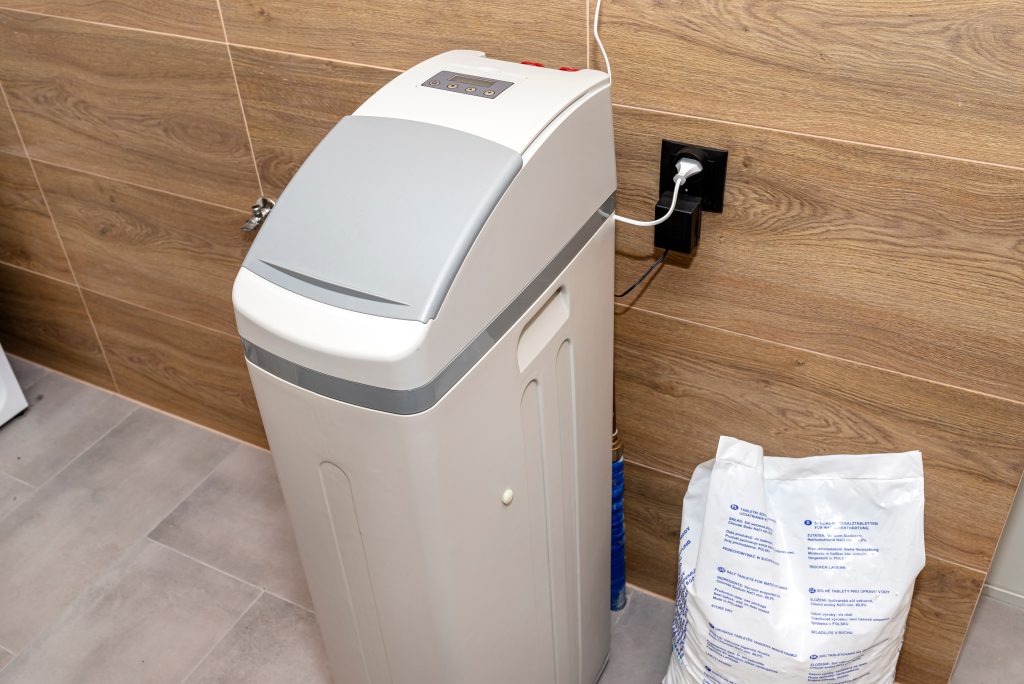
Water quality affects more than taste. It influences plumbing lifespan, appliance efficiency, and day to day comfort throughout the home. In St. Thomas and surrounding Elgin County communities, mineral-heavy groundwater and varying municipal water conditions create problems that many homeowners notice as scale buildup, dry skin, appliance wear, or unpleasant odours.
Who Installs Home Water Softener Systems to Reduce Hard Water Buildup and Scale?
Home water softener systems should be installed by licensed plumbers who understand plumbing codes and water treatment requirements. Proper installation involves correct system sizing, secure drain connections, and accurate bypass valve setup, all of which affect performance and reliability. Plumbers with water treatment experience ensure the system integrates safely with the home’s plumbing and operates as intended.
Why professional installation matters:
- Proper sizing ensures adequate softening capacity for your household
- Correct bypass valve installation allows system maintenance without water interruption
- Drain connections must meet code requirements for backwash discharge
- Manufacturer warranties often require professional installation
- Incorrect installation can damage the system or void warranties
Jumbo Plumbing’s technicians hold certifications for water treatment system installation and understand the specific water conditions in St. Thomas and Elgin County.
Learn about our team’s qualifications and experience with water treatment systems.
How Do I Know If I Have Hard Water?
Hard water affects how water behaves throughout your home, and the signs usually appear on fixtures, appliances, and even your skin and hair. Mineral buildup develops gradually, so many homeowners live with hard water for years without realizing it is the cause of everyday issues. Knowing what to look for and how hardness is measured helps confirm whether treatment is needed.
Physical signs of hard water:
- White, crusty deposits on faucets and showerheads
- Soap that won’t lather properly
- Film on shower doors and tile
- Dry, itchy skin after bathing
- Dull, limp hair despite quality products
- Spots on dishes and glassware after washing
- Stiff, scratchy laundry
- Reduced water heater efficiency and lifespan
Measuring water hardness:
Water hardness is measured in grains per gallon (GPG) or parts per million (PPM). The U.S. Geological Survey classifies water hardness as:
- Soft: 0-3.5 GPG (0-60 PPM)
- Moderate: 3.5-7 GPG (61-120 PPM)
- Hard: 7-10.5 GPG (121-180 PPM)
- Very Hard: Over 10.5 GPG (over 180 PPM)
St. Thomas municipal water and most Elgin County well water falls in the “hard” to “very hard” range. Testing confirms your specific hardness level and helps determine appropriate system sizing.
Testing options:
- DIY test strips from hardware stores (approximate results)
- Professional water testing (precise measurements plus contaminant screening)
- Municipal water quality reports (for city water users)
What Is the Difference Between a Water Softener and a Filtration System?
Water softeners and water filtration systems address different water quality issues, which is why the distinction often causes confusion. A water softener reduces hardness minerals that cause scale buildup, while a filtration system targets contaminants that affect taste, smell, or safety. Many homes use both systems together to improve overall water quality.
Water Softener vs. Filtration System
| Feature | Water Softener | Water Filtration System |
| Primary Function | Removes calcium & magnesium (hardness minerals) | Removes contaminants, chlorine, sediment, and bacteria |
| Technology | Ion exchange with salt/potassium | Carbon filters, reverse osmosis, and UV treatment |
| Benefits | Prevents scale, extends appliance life, and softer skin | Improves taste, removes health hazards |
| Maintenance | Salt refills every 4–8 weeks | Filter replacement every 3–12 months |
| Best For | Hard water areas with scale problems | Taste concerns, well water, and health-focused households |
| Average Cost (Installed) | $1,800–$3,500 CAD | $1,200–$4,000 CAD |
Water softeners use ion exchange to swap calcium and magnesium ions for sodium or potassium ions. This eliminates the minerals that cause scale buildup but doesn’t remove chlorine, lead, bacteria, or other contaminants.
Water filtration systems physically remove contaminants through various methods—carbon adsorption, reverse osmosis membranes, UV sterilization, or sediment filters. They improve taste and safety but don’t address hardness.
Do I Need Both a Water Softener and a Filtration System?
Many homes benefit from using both a water softener and a filtration system because they solve different problems. A water softener addresses hardness that causes scale buildup, while filtration improves taste and removes contaminants. Whether you need one or both depends on your water quality and household priorities.
Consider both if:
- You have hard water AND taste/odour concerns
- Municipal water has both hardness and chlorine issues
- Well water contains hardness minerals, plus iron or bacteria
- You want comprehensive water purification throughout the home
Typical combined system configuration:
- Sediment pre-filter (protects downstream equipment)
- Water softener (removes hardness)
- Whole house water filtration (removes chlorine, chemicals)
- Point-of-use reverse osmosis at the kitchen sink (drinking water refinement)
The softener should come before carbon filtration. Hard water reduces carbon filter effectiveness and shortens filter life.
Where Can I Buy and Have a Professional Install a Whole House Water Filtration System?
Whole house water filtration systems work best when the equipment and installation are handled together. Purchasing through a professional installer ensures the system is properly sized, compatible with your plumbing, and installed to code. This approach also simplifies warranty coverage and ongoing service if adjustments or maintenance are needed later.
Advantages of plumber-supplied systems:
- Proper sizing based on professional water testing
- Warranty coverage that includes installation issues
- Single point of accountability for problems
- Access to commercial-grade equipment is not available in retail
- Ongoing service relationship for maintenance
Retail purchase considerations:
- May void warranty if not professionally installed
- Size selection without professional water analysis
- Installation quality varies with installer familiarity
- Separate accountability between retailer and installer
Online-only purchases present additional risks. Without professional consultation, you’re guessing at system requirements. Without local service, you’re on your own for installation problems and maintenance.
Contact Jumbo Plumbing for consultation on water filtration installation options.
How Do I Choose a Local Expert to Test My Water and Recommend Solutions?
Choosing the right water treatment professional starts with verifying their experience and testing methods. A qualified expert bases recommendations on measured results, not assumptions or one size fits all systems. Working with a local provider also helps ensure solutions reflect regional water conditions and common issues in the area.
Credentials to verify:
- Ontario journeyperson plumbing certification
- Specific training in water treatment systems
- Experience with both municipal and well water systems
- Manufacturer certifications for major equipment brands
Red flags to avoid:
- Pushy sales tactics pushing expensive systems before testing
- One-size-fits-all recommendations regardless of water quality
- Reluctance to provide written water test results
- Pressure to decide immediately without comparison shopping
Questions to Ask Your Water Treatment Professional
- What certifications do you hold for water system installation?
- Will you provide a written water test analysis?
- What warranty covers the equipment and labour?
- Do you offer ongoing maintenance plans?
A reputable professional tests your water first, explains results clearly, and recommends solutions matched to your specific conditions—not the most expensive system in inventory.
What Size Water Softener Do I Need for My Home?
Water softener size depends on how much water your household uses and how hard your water is. A properly sized system can meet daily demand without regenerating too often or wasting salt. Using a simple sizing formula helps determine the right capacity for consistent performance and long-term efficiency.
Sizing formula:
Daily softening requirement = (Number of people) × (Gallons per person daily) × (Water hardness GPG)
The average Canadian household uses approximately 75 gallons per person daily. Multiply by your water’s hardness in GPG to determine daily grain removal needs.
Example: 4 people × 75 gallons × 15 GPG = 4,500 grains daily
Softener capacity selection:
Choose a unit that can handle 7-10 days of demand before regeneration. For our example: 4,500 × 7 = 31,500 grain capacity minimum.
Quick Sizing Guide
| Household Size | Water Hardness (GPG) | Recommended Grain Capacity |
| 1–2 people | 0–10 (soft-moderate) | 24,000–32,000 |
| 1–2 people | 11–25 (hard-very hard) | 32,000–40,000 |
| 3–4 people | 0–10 | 32,000–40,000 |
| 3–4 people | 11–25 | 40,000–48,000 |
| 5+ people | Any hardness level | 48,000–64,000+ |
Sizing mistakes to avoid:
- Undersized units regenerate too frequently, wasting salt and water
- Oversized units cost more upfront with no benefit
- Ignoring iron content (iron requires additional capacity)
Which Companies Provide Complete Installation and Maintenance for Water Softener Units?
Some plumbing companies offer full-service water softener support that goes beyond simply installing the equipment. These providers handle system setup, initial calibration, and ongoing maintenance to keep the softener operating correctly. This approach helps prevent performance issues and ensures the system continues to protect plumbing and appliances over time.
Complete service includes:
- Pre-installation water testing and consultation
- Equipment selection and ordering
- Professional installation with code-compliant connections
- System programming for your water conditions
- Startup testing and adjustment
- Ongoing maintenance and salt delivery options
- Warranty service and repairs
Maintenance contract value:
Regular professional service catches problems early. Salt bridges, resin fouling, valve failures, and programming drift all reduce effectiveness. Annual service visits keep systems operating at peak performance.
View our full range of plumbing services, including water treatment installation and maintenance.
What’s the Best Water Filter for Well Water?
Well water often contains minerals and contaminants that are not present in treated municipal supplies. In Elgin County, common issues include iron, manganese, sediment, and potential bacterial contamination. Choosing the right water filtration system depends on the specific testing results to ensure the system targets the specific conditions of the well.
Common well water contaminants:
- Iron and manganese: Cause staining, metallic taste, appliance damage
- Hydrogen sulfide: Creates “rotten egg” odour
- Bacteria: E. coli, coliform bacteria from surface contamination
- Sediment: Sand, silt, and particulates from aquifer
- Hardness: Often higher than municipal supply
- Nitrates: From agricultural runoff in rural areas
Multi-stage filtration for well water:
- Sediment filter: Removes particles, protects downstream equipment
- Iron/manganese filter: Oxidizing filter or water softener with iron removal
- Carbon filter: Removes chemicals, improves taste and odour
- UV sterilization: Kills bacteria and viruses without chemicals
- Reverse osmosis (optional): Point-of-use drinking water purification
The EPA recommends annual testing for private wells and more frequent testing if conditions change or contamination is suspected. Your water filtration approach should address the specific contaminants found in your well.
Are Salt-Free Water Softeners Effective?
Salt-free systems do not soften water in the traditional sense because they do not remove calcium and magnesium. Instead, they condition water by altering how minerals behave, which can reduce scale buildup without eliminating hardness. Understanding this distinction helps homeowners decide whether a conditioner or a true water softener is appropriate for their needs.
Salt-Based vs. Salt-Free Comparison
| Factor | Salt-Based Softener | Salt-Free Conditioner |
| Removes hardness minerals | Yes | No (conditions only) |
| Prevents scale | Excellent | Good |
| Requires salt refills | Yes | No |
| Produces wastewater | Yes (regeneration) | No |
| Effective for very hard water | Yes | Limited |
Salt-free systems use template-assisted crystallization (TAC) technology to change the structure of hardness minerals so they don’t adhere to surfaces. The minerals remain in the water but cause less scaling.
Salt-free systems work best for:
- Mild to moderate hardness (under 15 GPG)
- Households avoiding sodium for health reasons
- Environmental concerns about salt discharge
- Situations where water softener installation isn’t practical
Salt-free systems aren’t ideal for:
- Very hard water (over 15 GPG)
- Existing heavy scale buildup
- Maximum water softness desired
- Well water with iron contamination
How Much Does Professional Installation of a Whole House Water Softener Typically Cost?
Water softener installation costs include equipment, labour, materials, and potentially plumbing modifications. Below is a breakdown of cost estimates to help you gauge how much you may need to pay.
Cost breakdown:
- Equipment: $800–$2,500 CAD (depending on capacity and features)
- Labour and installation: $500–$1,500 CAD
- Additional plumbing modifications: $200–$800 CAD (if needed)
- Permit fees (if required): $50–$150 CAD
Total range: $1,500–$4,500 CAD installed
According to Forbes Home, water softener costs vary significantly based on system type, capacity, and installation complexity. High-efficiency units with advanced features cost more but often provide better long-term value through reduced salt and water use.
Factors affecting installation cost:
- Distance from the main water line to the installation location
- Electrical outlet availability (for timer/control systems)
- Drain accessibility for regeneration discharge
- Existing plumbing condition and modifications needed
- System capacity and feature level
View examples of successful installations in our project gallery.
Who Can Upgrade My Existing Water Filtration System to a More Efficient Whole-Home Setup?
Upgrading your existing water filtration makes sense when your current filtration systems underperform, or your needs have changed.
Signs your system needs upgrading:
- Reduced water flow despite filter changes
- Persistent taste or odour issues
- The system is over 10 years old
- Changed water conditions (new contaminants)
- Household size or usage increased
Modern system advantages:
- Higher flow rates with less pressure drop
- Smart monitoring and maintenance alerts
- More efficient regeneration (softeners) using less salt and water
- Improved filtration media with longer service life
- Whole-house protection vs. single-point treatment
Where Can I Find a Plumber to Install Under-Sink Drinking Water Filters in My Kitchen?
Under-sink drinking water filters improve water quality at a single tap without affecting the rest of the home’s plumbing. These water filtration systems require proper connections to the cold water line, secure drain routing when applicable, and enough cabinet space for safe installation. A licensed plumber ensures the filter is installed correctly and operates reliably without leaks or pressure issues.
Under-sink system options:
- Carbon filters: Remove chlorine, taste, and odour; basic improvement
- Reverse osmosis (RO): Remove 95%+ of contaminants including lead, arsenic, fluoride
- UV add-on: Kill bacteria for well water applications
Installation requirements:
- Dedicated faucet mounted on sink or counter
- Drain connection for RO waste water
- Space under sink for filter housing and storage tank (RO)
- Water supply connection with shut-off valve
Typical installation time: 2–4 hours for standard systems
Under-sink systems complement whole-house water treatment by providing extra refinement for drinking and cooking water without the expense of treating all household water to that level.
Who Offers Water Quality Testing and Customized Filtration System Installation for My Home?
Effective water treatment starts with accurate water quality testing before any system is selected or installed. Testing identifies specific contaminants, hardness levels, and other issues so filtration and softening systems are matched to real conditions in your home. This approach helps avoid overpaying for unnecessary equipment or installing systems that do not fully address the problem.
What professional water testing covers:
- Hardness levels (GPG or PPM)
- pH and alkalinity
- Iron, manganese, and other metals
- Chlorine and chloramines
- Bacteria (coliform, E. coli)
- Nitrates and nitrites (especially for well water)
- Total dissolved solids (TDS)
Testing for municipal vs. well water:
Municipal water testing can often rely on annual city water quality reports for basic parameters, with professional testing for specific concerns. Well water requires comprehensive testing since no municipal treatment occurs.
Which Local Service Can Maintain and Repair My Water Softener and Filtration Equipment?
Water treatment systems require regular maintenance to continue working as designed. Different systems have different service needs, and skipping routine care often leads to reduced performance or avoidable repairs. Working with a local plumbing service experienced in water treatment helps ensure maintenance is done correctly and problems are addressed early.
Maintenance requirements by system type:
Water softeners:
- Salt refills every 4-8 weeks (usage dependent)
- Annual resin bed inspection and cleaning
- Control valve service every 3-5 years
- Brine tank cleaning annually
Filtration systems:
- Sediment filter replacement: Every 3-6 months
- Carbon filter replacement: Every 6-12 months
- RO membrane replacement: Every 2-3 years
- UV bulb replacement: Annually
Common repairs:
- Control valve failures (softeners)
- Resin exhaustion or fouling
- Bypass valve leaks
- Timer/electronic control issues
- O-ring and seal replacements
How Often Should I Replace Water Filters?
Water filter replacement schedules vary based on the type of filter, the quality of the incoming water, and how much water your household uses. Filters exposed to higher sediment levels or heavy daily use wear out faster. Following the correct replacement schedule helps maintain water quality and prevents system performance issues.
| Filter Type | Typical Replacement Interval | Signs Replacement Needed |
| Sediment pre-filter | 3–6 months | Reduced flow, visible discoloration |
| Carbon filter | 6–12 months | Taste/odour return, reduced flow |
| RO membrane | 2–3 years | Increased TDS readings, reduced production |
| UV bulb | Annually | Lamp hours exceeded, reduced intensity |
Following replacement schedules maintains water quality and protects downstream equipment. Running filters past their service life reduces effectiveness and can damage other system components.
How Do I Schedule a Consultation to Add a Water Softener and Filter to My Existing Plumbing?
Adding a water softener or filtration system starts with understanding your home’s current plumbing and water quality. An in-home consultation typically includes water testing, a review of available space, and a discussion of household water usage. This process helps determine which water treatment systems are compatible with your plumbing and appropriate for your needs.
What to expect during consultation:
- Water testing: Samples collected for analysis
- Plumbing assessment: Installation location options, existing conditions
- Usage discussion: Household size, water consumption patterns
- Recommendation review: System options matched to your needs and budget
- Quote preparation: Detailed pricing with equipment, installation, and ongoing costs
Information to have ready:
- Recent water bills (shows usage patterns)
- Known water issues you’ve experienced
- Home size and number of occupants
- Location preferences for equipment installation
- Budget range for the project
Timeline from consultation to installation:
- Consultation and testing: Day 1
- Results and recommendations: 3-5 days
- Equipment ordering (if needed): 1-2 weeks
- Installation: 1 day for most systems
Contact Jumbo Plumbing to schedule your water treatment consultation.
Can I Install a Water Filtration System Myself?
Some water filtration systems are simple enough for homeowners to install, while others require plumbing knowledge and code compliance. The level of difficulty depends on the type of system and whether installation involves modifying existing plumbing. Understanding where DIY ends and professional installation begins helps prevent leaks, warranty issues, and long-term problems.
DIY-appropriate:
- Pitcher filters (no installation)
- Faucet-mount filters (simple attachment)
- Refrigerator filters (cartridge replacement)
DIY projects possible with plumbing skills:
- Under-sink carbon filters
- Basic RO systems with clear instructions
Professional installation recommended:
- Whole-house water filtration
- Water softeners (drain, electrical, bypass valve connections)
- UV sterilization systems (electrical, flow requirements)
- Any system requiring plumbing modifications
Ontario building codes regulate plumbing modifications, and installations must meet these requirements to remain compliant. Improper installation can void manufacturer warranties, lead to leaks, and cause water damage inside the home. For whole-house water treatment systems, professional installation helps ensure proper setup and preserves warranty protection.
Service Areas for Water Treatment Installation
Jumbo Plumbing provides water softener installation and water filtration installation throughout St. Thomas and Elgin County.
Service areas include:
- St. Thomas (all neighbourhoods)
- Aylmer
- Port Stanley
- Central Elgin
- Southwold
- Malahide
- Bayham
- Tillsonburg
- Port Burwell
- Vienna
We serve both municipal water customers and well water households throughout the region.
Reliable Water Treatment Solutions from Jumbo Plumbing
Choosing the right water softener or filtration system starts with understanding your home’s actual water quality, how much water your household uses, and what level of maintenance you are prepared to manage long term. Professional water testing helps identify specific issues so treatment systems address real problems rather than assumptions or generic solutions.
In St. Thomas and throughout Elgin County, water conditions vary widely between municipal and well supplies, which makes professional assessment especially important. Licensed plumbers with water treatment experience ensure systems are sized correctly, installed to code, and supported with clear maintenance guidance so they continue performing as intended.
Contact Jumbo Plumbing to schedule your water quality consultation and learn about water treatment options for your home.
Frequently Asked Questions
What is the difference between a softener and a filter?
A water softener removes hardness minerals (calcium and magnesium) while a water filter removes contaminants like chlorine, sediment, and bacteria.
How do I know if I have hard water?
White crusty buildup on faucets, soap that won’t lather, and spotty dishes are the most common indicators of hard water.
What size water softener do I need for my home?
Multiply your household members by daily water usage and water hardness to determine grain capacity—most 3-4 person homes need 32,000-48,000 grains.
Are salt-free systems effective?
Salt-free conditioners reduce scale formation but do not actually remove hardness minerals as traditional salt-based water softeners do.
How often should I replace water filters?
Most sediment filters need replacement every 3-6 months, carbon filters every 6-12 months, and reverse osmosis membranes every 2-3 years.
Can I install a water filtration system myself?
Point-of-use filters are DIY-friendly, but whole-house water filtration systems require professional installation to meet Ontario building codes and maintain warranty coverage.
Do I need both a water softener and a filtration system?
Many homes benefit from both because water softeners address hardness while filters remove health-related contaminants that softeners cannot eliminate.
What’s the best water filter for well water?
Well water typically requires multi-stage filtration with sediment removal, iron/manganese treatment, and UV sterilization for bacterial protection.
How much does it cost to install a water softener?
Professional water softener installation in Ontario typically ranges from $1,500 to $4,500 CAD, depending on system size and plumbing modifications required.
How do I schedule a consultation for water treatment?
Contact a licensed plumber who specializes in water treatment to arrange an in-home water test and system recommendation.